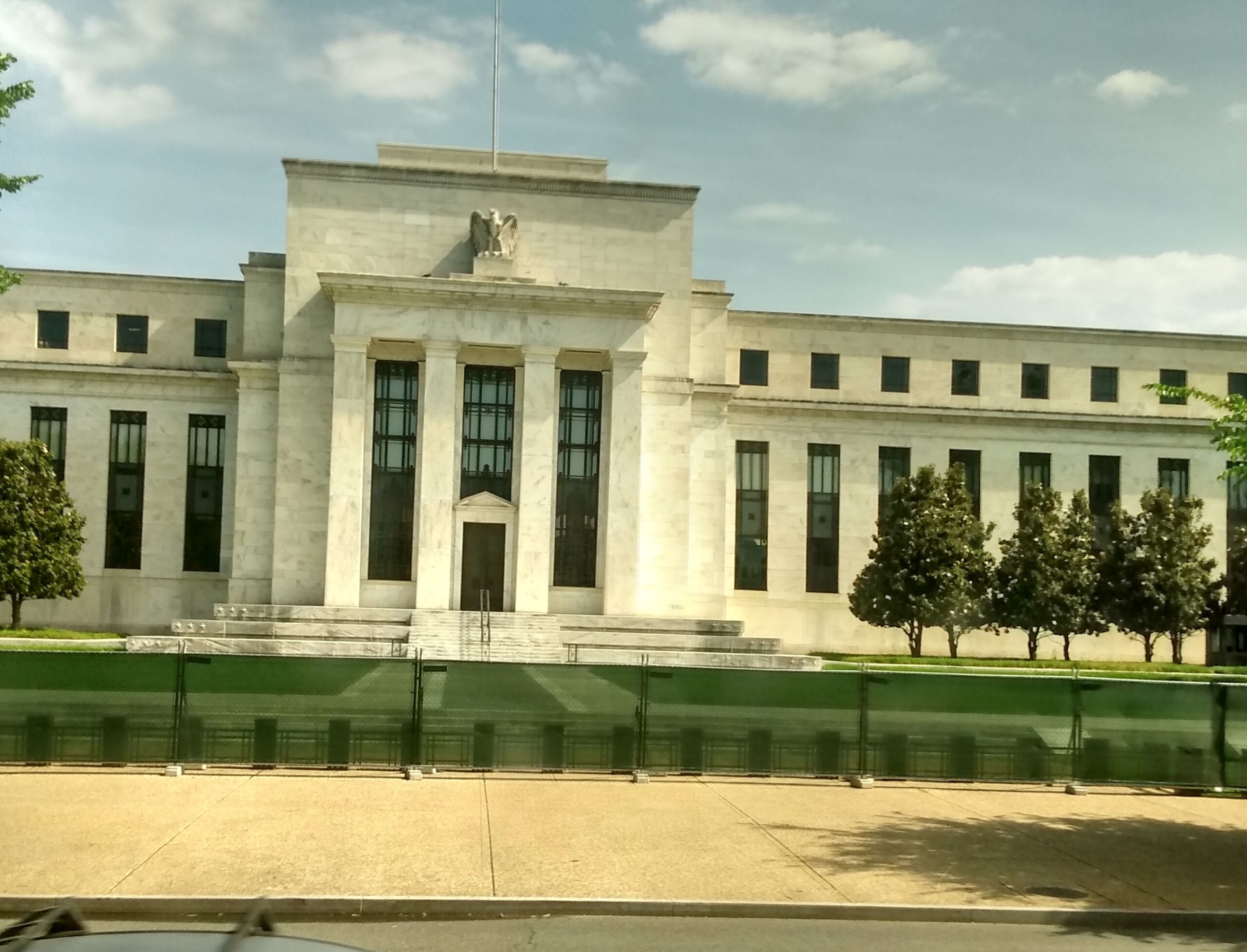
The Federal Reserve (Fed) has yet to decide on an interest rate cut as it heads into its meeting later this month. Data shows inflation rising again and Chairman Donald Trump intensifying his demands for lower borrowing costs. Trump threatened to fire Fed Chairman Jerome Powell this week but backed down from the move, considering potential market turmoil. Despite this, the Fed’s policy interest rate remains unchanged.
Instead of focusing on lowering government financing costs, the Fed is focusing on its task of keeping inflation under control and is expected to keep interest rates between 4.25%-4.50% at its July 29-30 meeting.
The Fed made its last interest rate cut in December and since then has begun to consider the impact of import tariffs imposed by Trump on prices. Investors believed that interest rate cuts would resume later this year and were expecting a quarter-point cut in September. However, these expectations weakened with the announcement that inflation rose to 2.7% in June. Fed Chairman Powell and other officials expect inflation to accelerate during the summer months and want to base their interest rate cut decision on how inflation develops and whether the economy slows down. More unemployment and inflation data will be released before the meeting in September.Fed official Adriana Kugler stated that trade policies could increase inflation and that interest rates should therefore be kept steady “for some time.” On the other hand, Christopher Waller, nominated as a candidate for Fed Chairman Powell, argued that interest rate cuts should be made, predicting that the economic slowdown and the impact of tariffs on inflation would be temporary.
Trump cited high inflation as a critical issue in his 2024 presidential campaign and promised that prices would fall under his administration. However, Fed officials emphasize that the impact of tariffs on inflation is still ongoing and price pressures are increasing.
In its economic projections published in June, the Fed expects PCE inflation to reach 3 by the end of the year and forecasts a half-point interest rate cut. Trump is demanding a 1% cut, but no Fed official supports this proposal.