The US dollar edged higher on Tuesday as investors awaited positive signals from ongoing trade talks between Washington and Beijing. In contrast, the British pound weakened after UK labor market data pointed to an economic slowdown.
The US dollar edged higher on Tuesday as investors awaited positive signals from ongoing trade talks between Washington and Beijing.
The US dollar edged lower on Tuesday as investors awaited positive signals from ongoing trade talks between Washington and Beijing.
US and Chinese officials met in London to discuss broader issues beyond tariffs.
The talks also cover topics such as rare earth elements, chip export controls, and student visas.
Saxo’s chief investment strategist, Charu Chanana, said, “The talks in Geneva in May focused on easier-to-resolve issues like tariffs. The talks in London cover more complex matters.”
These contacts come after a recent phone call between US President Donald Trump and Chinese President Xi Jinping. There are growing signs that US tariffs, in place since January, are putting pressure on both economies.
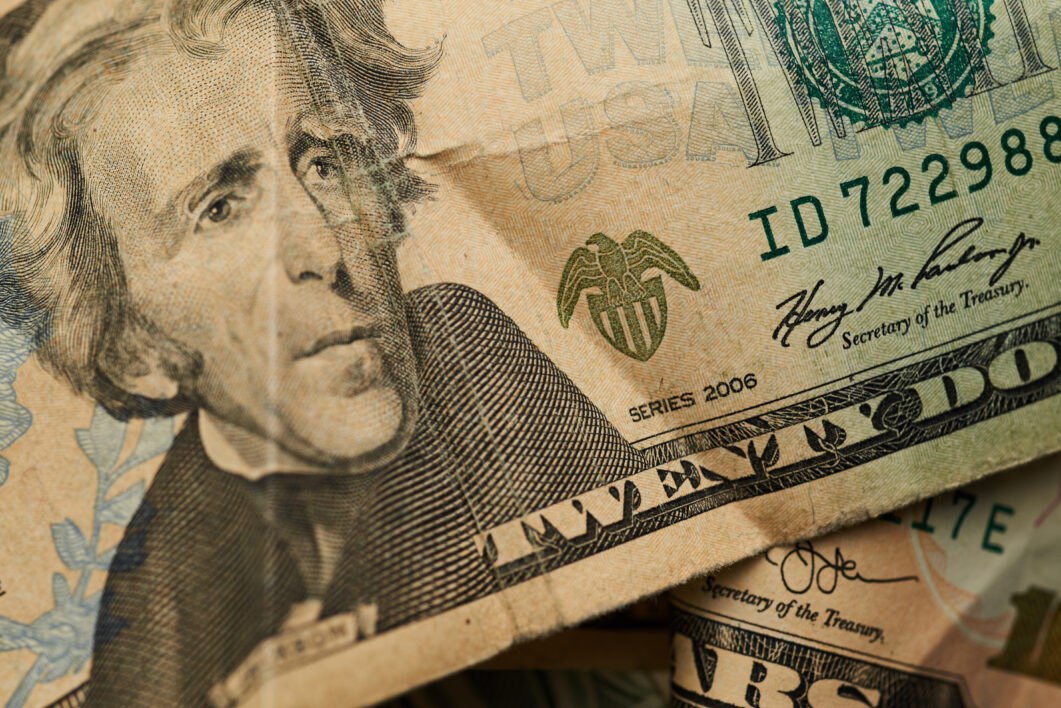
The US dollar index rose 0.3% to 99.255.
However, it remained just above last week’s six-week low of 98,351. The index, which has lost 8.7% since the beginning of the year, weakened as investors began to consider alternatives outside of US assets.
The Euro fell 0.2% to $1.1395, while the risk-sensitive Australian dollar also lost 0.2% to $0.6502.
The British Pound fell 0.6% to $1.3468. In the UK, wage growth in the three months to the end of April came in below expectations at 5.2%, increasing expectations that the Bank of England (BoE) will ease interest rates early.
Danske Bank currency analyst Kirstine Kundby-Nielsen said, “The employment report was weak. This calls into question the BoE’s recent hawkish rhetoric.”
The BoE is expected to meet next week, and the market expects interest rates to remain unchanged. However, investors have begun to price in the possibility of an interest rate cut of approximately 48 basis points by the end of the year.
On the other hand, the Bank of Japan is also among the institutions expected to keep interest rates unchanged at its upcoming meeting. Bank Governor Kazuo Ueda stated on Tuesday that future interest rate increases will depend on inflation sustainably approaching the 2% target.
“We will continue with interest rate increases when we gain more confidence that inflation will stabilize around 2%,” he said.
Markets are closely watching signals of interest rate hikes in Japan to see how the country’s export-oriented economy will be affected by global trade tensions.