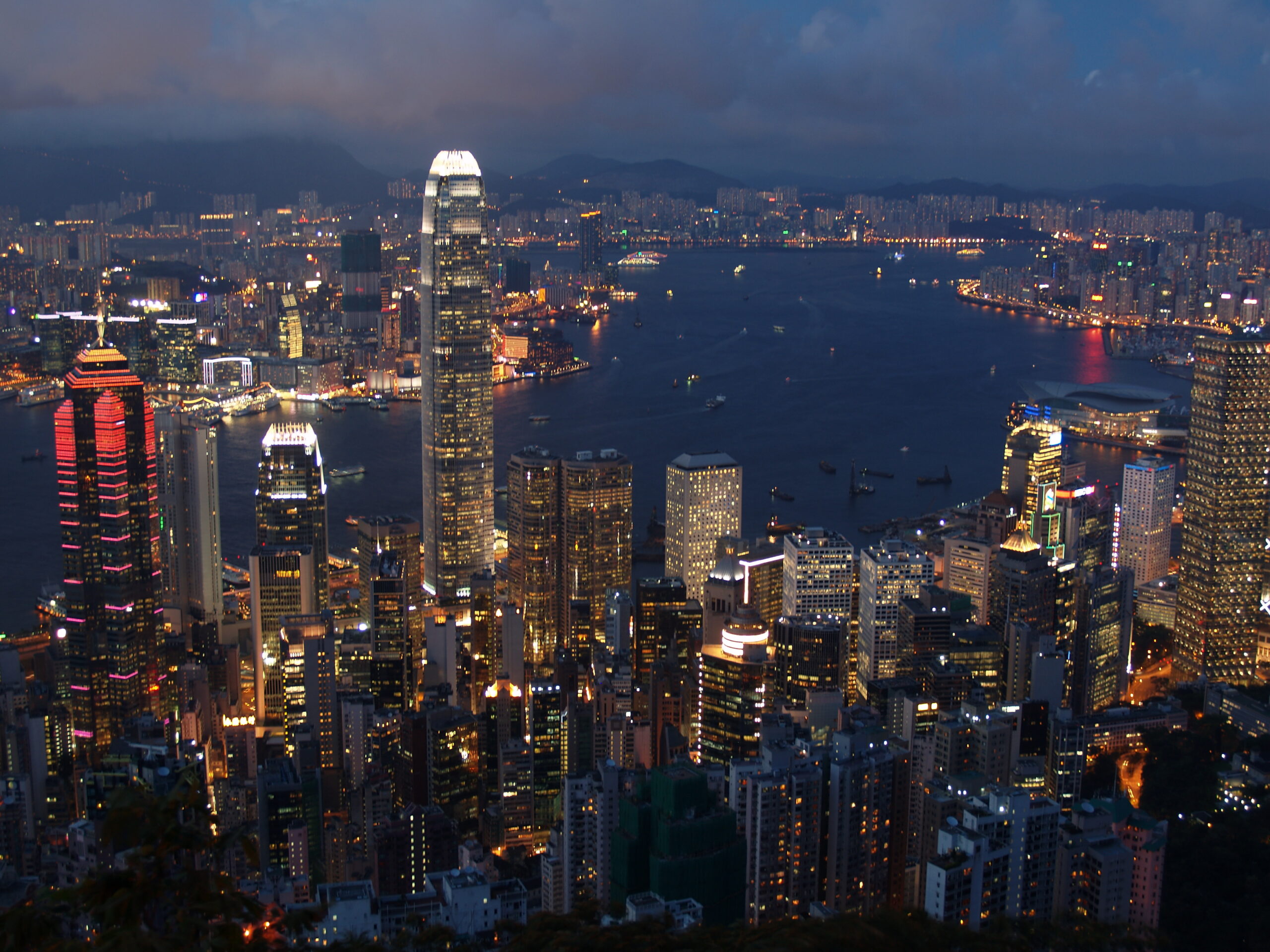
Hong Kong’s debt-ridden real estate developers are facing increasingly severe default risks amid falling sales and valuations. The amount of bonds maturing in 2026 is projected to rise by 70% to $7.1 billion.
The first default in the sector’s quarter-century crisis came last week: Road King failed to make its coupon payments. Previously, Emperor International had also defaulted on its loan payments.
According to experts, there is a greater risk of bankruptcy in the next 12-24 months, especially for small developers.In Hong Kong, real estate and related sectors account for a quarter of GDP. However, the value of office and retail assets has fallen by more than 50% since its 2019 peak, making sales almost impossible. More “fire sales” could drive prices even lower.
New World Development is seen as one of the biggest risks, with a debt burden of $23 billion. The company avoided default in June with a refinancing of $11.2 billion.
However, hundreds of millions of dollars in new bond payments are expected in 2026 and 2027. Banks are also under pressure. Hang Seng Bank set aside HK$2.5 billion in loss provisions for commercial real estate loans in the first half of the year – a 224% increase compared to last year. HSBC, on the other hand, tripled its risky loan classification.Although Hong Kong’s central bank officials say the banking system is “well-capitalized and strong“, analysts emphasize that a recovery in the sector does not seem likely in the near future.