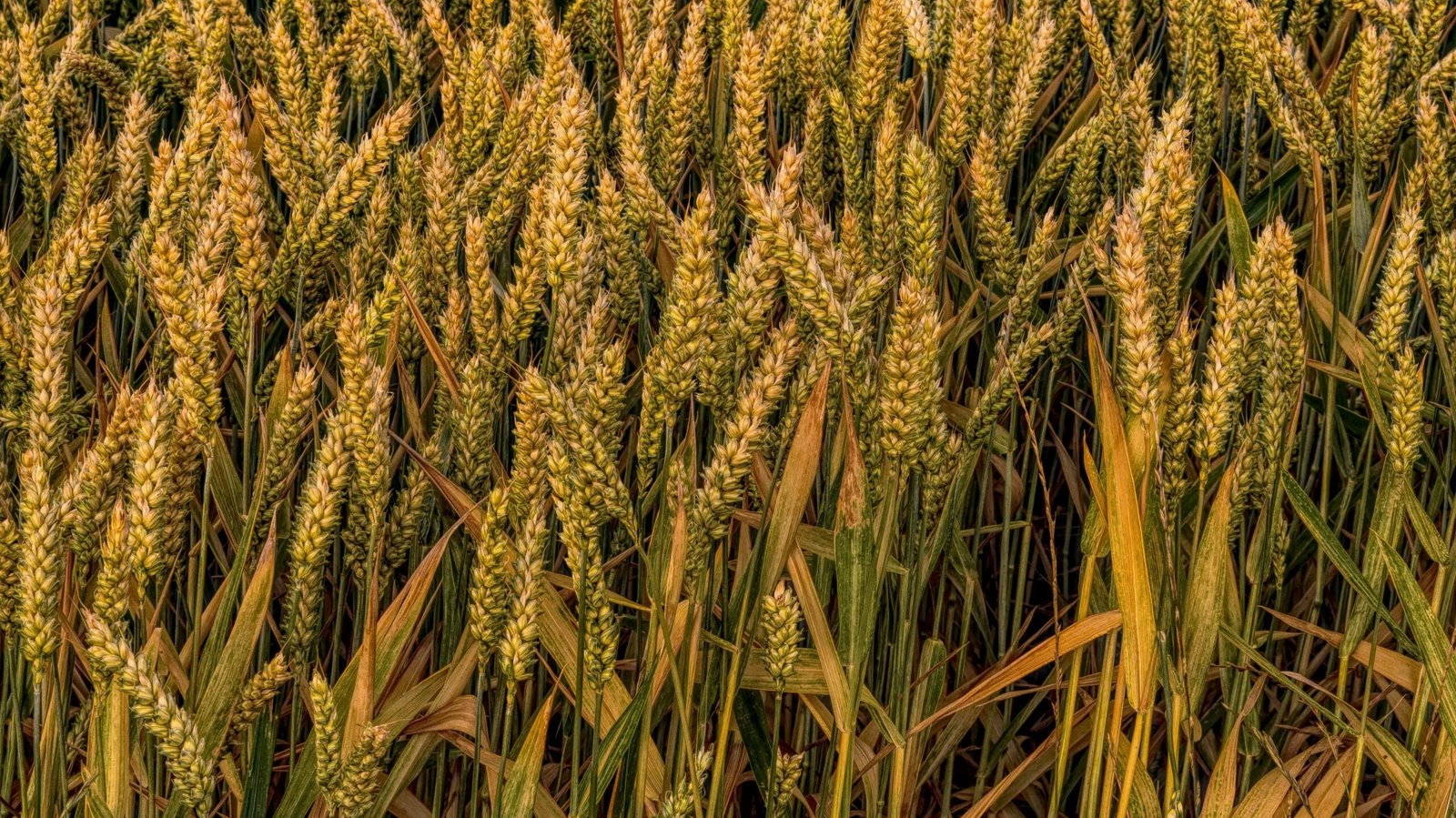
In a controlled Kansas lab, scientists are engineering wheat with a sunflower gene, aiming to deliver stronger drought resistance under changing climate conditions.
Nearby research centers are advancing hybrid wheat seeds designed to produce higher and more stable yields, addressing increasing environmental pressures across key farming regions.
These innovations could reshape the U.S. wheat sector, challenged by declining demand and intensified competition from lower-cost global exporters.
For decades, wheat has lagged behind crops like corn and soybeans in technological progress, limiting productivity gains and reducing its appeal for American farmers.
Now, hybrid wheat is approaching broader availability, while genetically modified varieties may enter the market within years, signaling a potential industry shift.
Executives from major agricultural firms report breakthroughs, with some hybrid strains projected to boost yields by up to 20% upon commercial release later this decade.
Despite progress, adoption remains uncertain, as hybrid seeds can cost significantly more, requiring farmers to weigh higher upfront expenses against long-term returns.
Meanwhile, GMO wheat development continues, with researchers testing traits that could enhance resilience and quality, though widespread commercialization depends on global market acceptance.