China has long pledged to boost domestic consumption, yet investment and exports still dominate growth as policymakers hesitate over costly structural reforms.
Analysts warn sweeping changes could cost trillions and risk instability, making officials cautious about aggressive fiscal expansion.
One immediate option is expanding pensions, public wages, and unemployment benefits. The IMF estimates doubling rural social spending could lift GDP consumption by 2.4 points.
Funding such measures may require higher debt initially, followed by deeper tax, land, and fiscal reforms to secure long-term sustainability.
Beijing also aims to expand services like tourism, elderly care, and entertainment to create jobs, though weak incomes risk inefficient investment.
Tax reform remains sensitive. Capital gains taxes are relatively low, while labor faces heavier burdens, discouraging wage growth and reinforcing industrial priorities.
Urbanization reforms could unlock spending. Granting city status to 200 million migrants may raise consumption, as access to healthcare and education reduces precautionary savings.
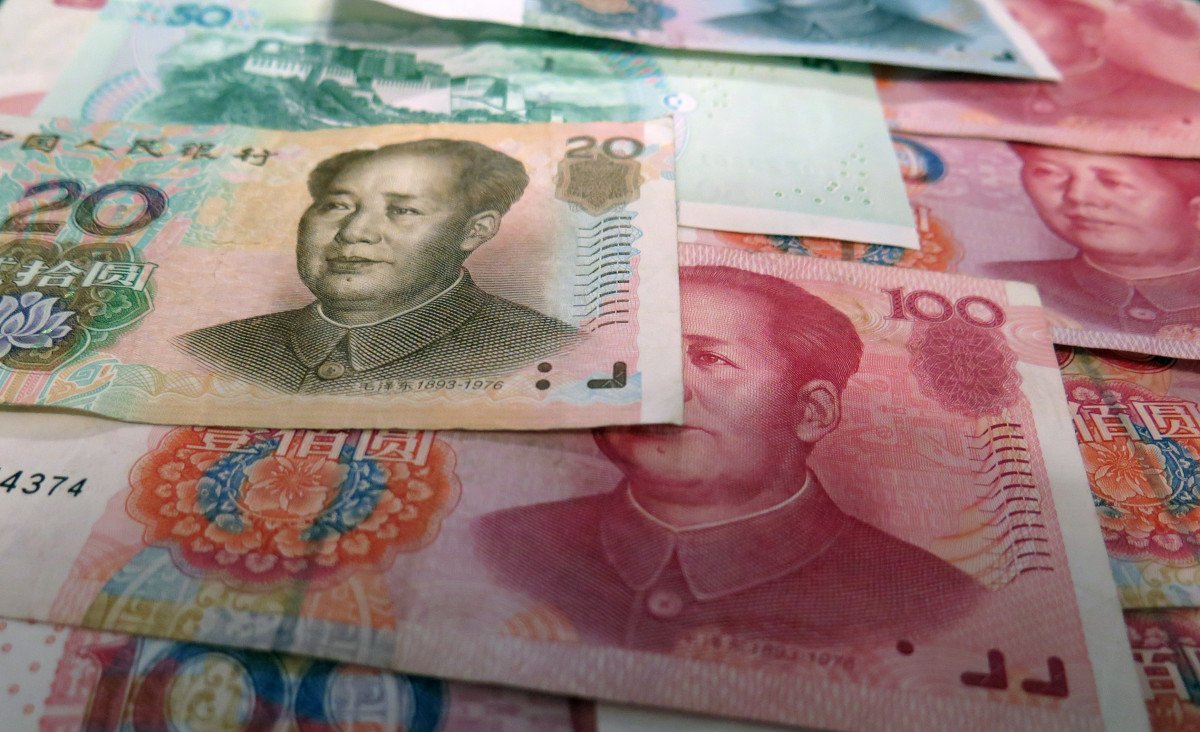
Stabilizing property markets, reforming state-owned enterprises, and potentially allowing a stronger yuan are additional levers—each offering stimulus but carrying economic trade-offs.