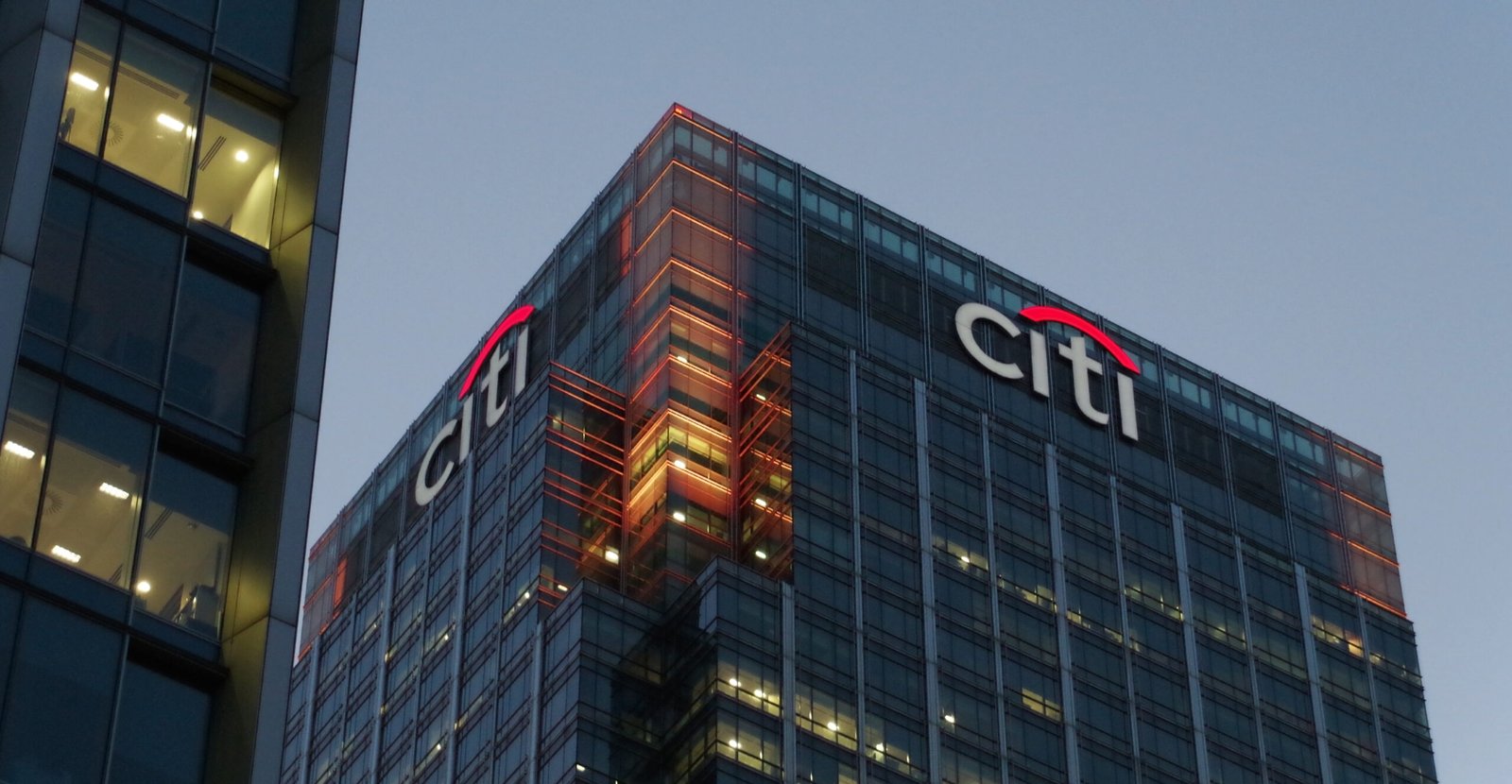
According to sources familiar with the matter, raising hopes of a pivotal shift after years of intense compliance efforts.
Lifting the orders would mark a major strategic turning point, allowing the bank to refocus on profit growth after six years of remediation involving thousands of employees. It could also reopen the door to acquisitions previously restricted, following the fallout from a $900 million Revlon payment error.
Chief Executive Jane Fraser told analysts last month that roughly 80% of the work is complete, while Chief Financial Officer Mark Mason signaled that compliance spending should decline this year compared with 2025. Citi has avoided setting a firm timeline, noting that the decision rests with regulators.
Some executives have begun telling clients they expect the consent order work to conclude this year, sources said, as the bank prepares for fewer regulatory constraints and a gradual return to business-as-usual growth. Such internal expectations have not been publicly disclosed before.
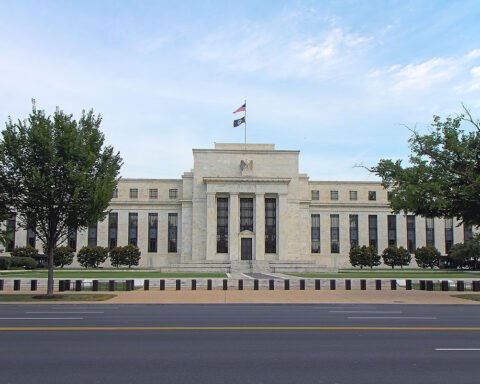
Even after remediation is completed, final approval will depend on reviews by the Federal Reserve and the Office of the Comptroller of the Currency. Regulators are expected to thoroughly test whether Citi’s fixes meet required standards before formally lifting the orders.
Citi said its transformation remains its top priority and emphasized close coordination with regulators. Analysts, however, see 2026 as increasingly realistic for relief, with some describing the remaining work as largely procedural rather than related to safety and soundness.
Supportive regulatory conditions could also play a role. Analysts note that a pro-business regulatory climate under President Donald Trump may ease the path to approval, though officials stress there will be no special treatment.
Citi’s consent orders date back to 2020, when regulators cited deep-seated risk and data governance failures, leading to $536 million in fines. While investors have welcomed Fraser’s restructuring—sending shares up 63% last year—the bank’s returns still trail peers, making regulatory relief a potential catalyst for improved performance.