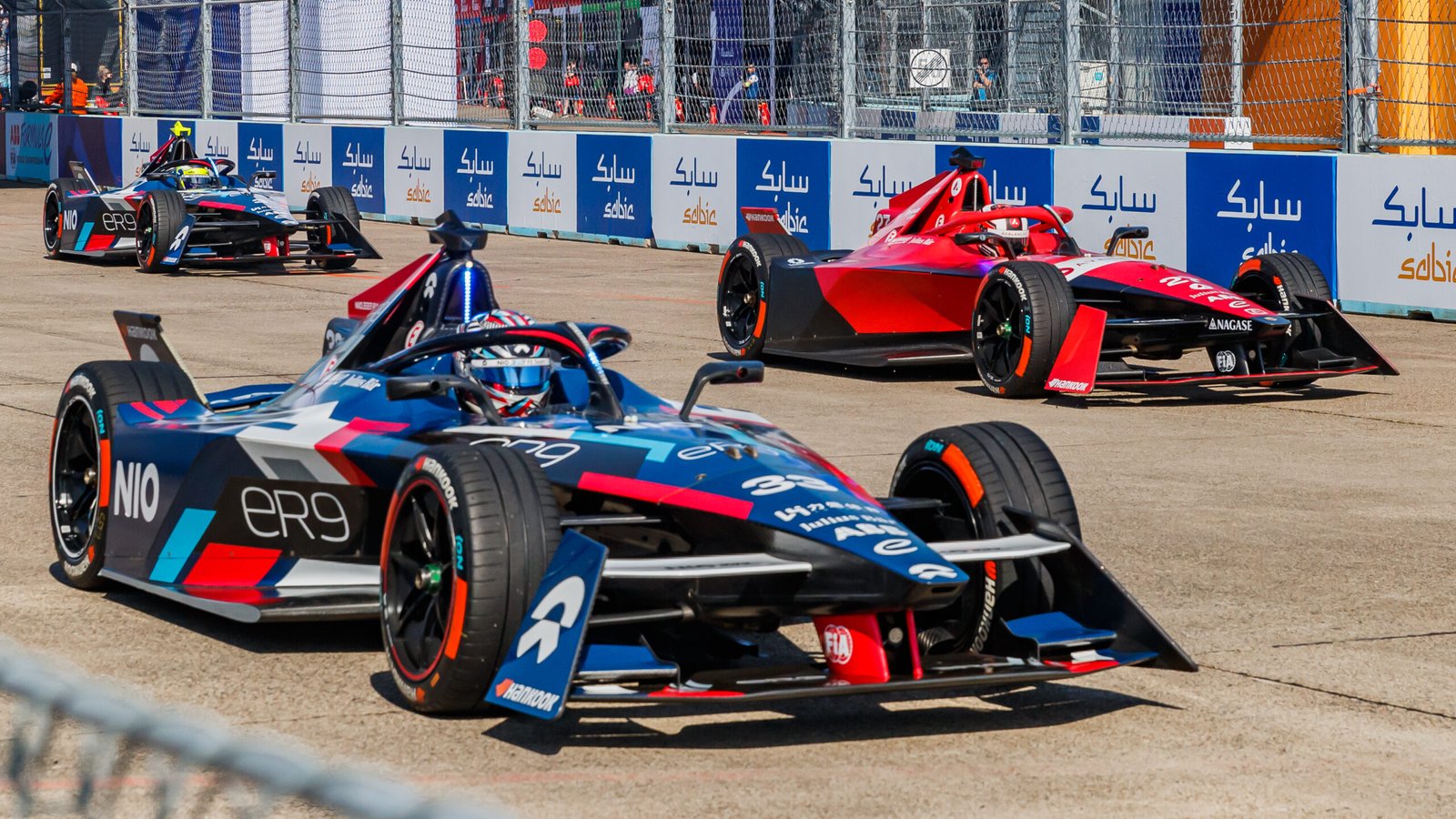
Formula E is pushing the limits of electric-vehicle technology, developing high-performance batteries that could eventually influence the cars people charge on everyday streets.
On December 6, 20 electric race cars will line up on the São Paulo ePrix, battling around the São Paulo Street Circuit, a 2.93-kilometer layout dominated by long, flat-out straights and just 11 corners.
The cars are capable of reaching top speeds of 200 mph (322 km/h) and sprinting from 0 to 60 mph in a blistering 1.82 seconds, performance figures that place them among the fastest racing machines on the planet.
While they fall short of the outright pace of Formula One, which can exceed 230 mph, the achievement is notable given that Formula E cars are fully electric and rely entirely on battery power.
The São Paulo race will open Formula E’s 12th season, highlighting how far the championship has evolved since its launch in 2014, with more teams, more races, and increasingly sophisticated technology.
Each generation of cars has narrowed the gap to traditional motorsport, with the current models approaching Formula One performance levels while showcasing advances in energy density, cooling, and efficiency.
In November, organizers unveiled the next generation of Formula E cars, promising even higher speeds and faster acceleration, driven by further breakthroughs in battery and powertrain design.
As the series continues to innovate, Formula E’s racing batteries are not just winning races—they are helping shape the future of electric mobility beyond the track.