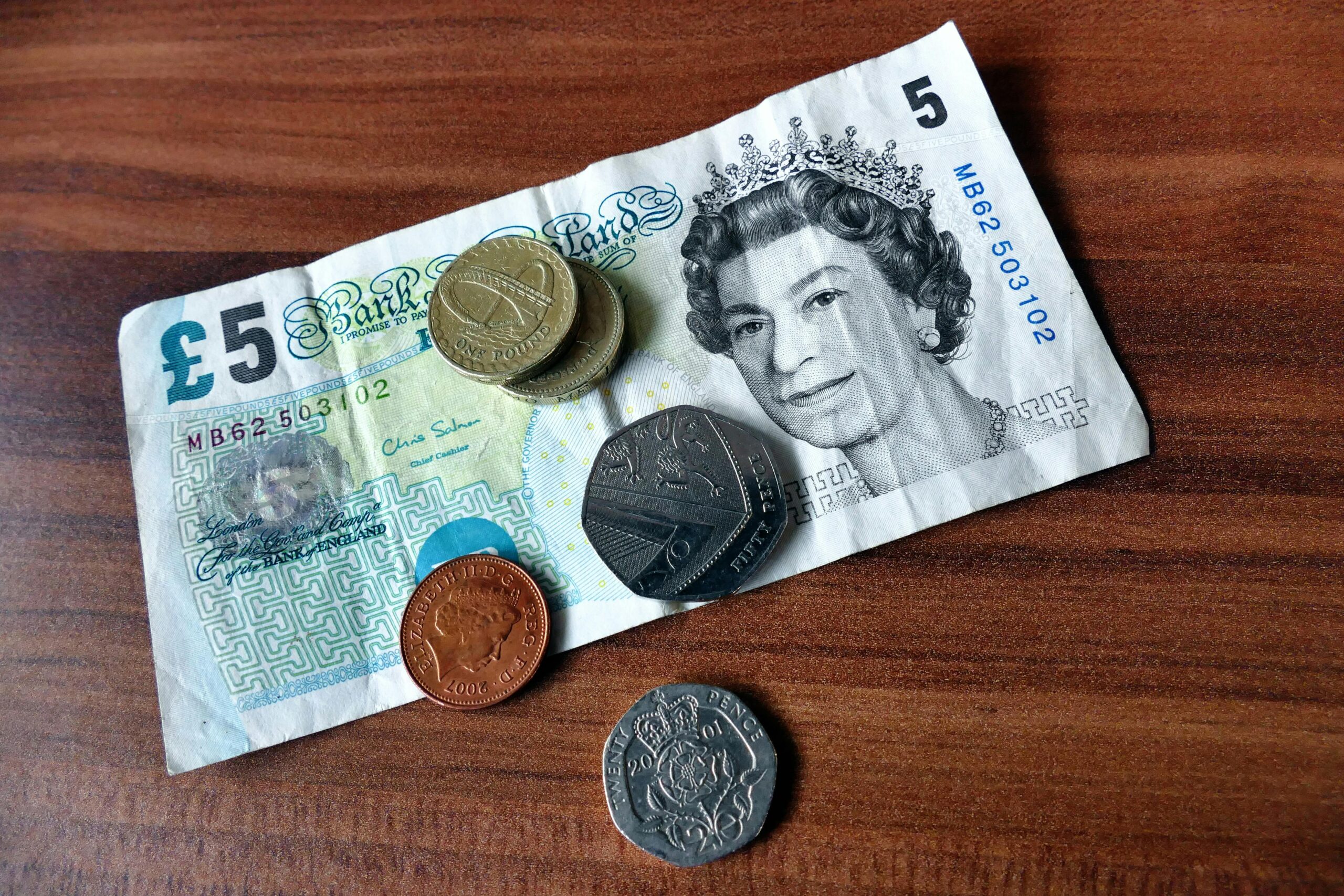
The pound sterling fell 0.2% against the dollar in July to 1.3553 following the stagnation of the UK economy. However, the currency is poised for its second consecutive weekly rise, increasing by 0.3% on a weekly basis.
According to data from the Office of National Statistics, GDP remained unchanged in July, flat after 0.4% growth in June.
In particular, the 1.3% contraction in the manufacturing sector was the main reason for the slowdown in the economy. Analysts note that the data shows a volatile but weaker trend compared to the beginning of the year. According to Dominic Bunning of Nomura, this picture is not a worrying signal for the Bank of England (BoE). Market eyes are now on the BoE meeting on September 18. While the bank is expected to keep interest rates unchanged, the main focus is on its plans to reduce its bond portfolio (quantitative tightening – QT). The Bank of England (BoE) has sold £100 billion worth of bonds in the last year. It is projected that the pace could slow to £72-75 billion in the coming period. However, if sales continue at the current pace, a rise in British yields could be seen, which could put pressure on the pound.