The US dollar weakened on Friday following the release of a weak labor report and President Donald Trump’s decision to fire the head of statistics. However, on Monday, the dollar recovered somewhat, boosting expectations of a Federal Reserve interest rate cut.
Friday’s data showed that US employment growth in July fell short of expectations, and that the previous two months saw a revision of 258,000 jobs, indicating worsening labor market conditions.
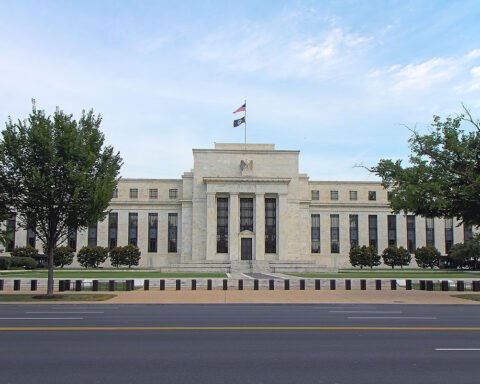
Danske Bank currency strategist Mohamad Al-Saraf said, “While the report wasn’t very weak, the revisions were extremely significant,” and commented, “It seems unlikely that the Fed will not cut interest rates at its September meeting.”Trump’s dismissal of Bureau of Labor Statistics (BLS) Commissioner Erika McEntarfer and his accusation that McEntarfer falsified unemployment data created another shockwave in the markets. Furthermore, the unexpected resignation of Fed Governor Adriana Kugler gave Trump an opportunity to exert influence over the central bank sooner.
Following these developments, the dollar depreciated by more than 2% against the yen and fell by 1.5% against the euro.
However, on Monday the dollar recovered somewhat, gaining 0.3% to 147.91 yen, but still remained about 3 yen below Friday’s peak. The euro fell to $1.1561, while the pound remained stable at $1.3276.Trump announced he will soon announce new candidates for the vacant position at the Fed and the BLS chairmanship.
Treasury Interest Rates Fall While Fed Cut Expectations Rise
On Monday, the two-year Treasury yield fell to 3.659%, its lowest level in three months.
It hit its lowest level. Markets have increased the probability of a Fed interest rate cut in September to 90%. Furthermore, interest rates are expected to fall by approximately 60 basis points by December.IG market analyst Tony Sycamore said, “The market reaction on Friday night was quick and decisive. Stocks and the dollar fell, interest rates declined.”
Swiss Franc Loses Value
The dollar gained more than 0.5% against the Swiss franc. Trump initiated a transformation in Switzerland’s trade policies by imposing high tariffs on the country. “If the tariffs continue, there could be serious negative effects on the Swiss economy,” said Al-Saraf of Danske Bank. The Swiss government will hold a special meeting on Monday to discuss the issue.