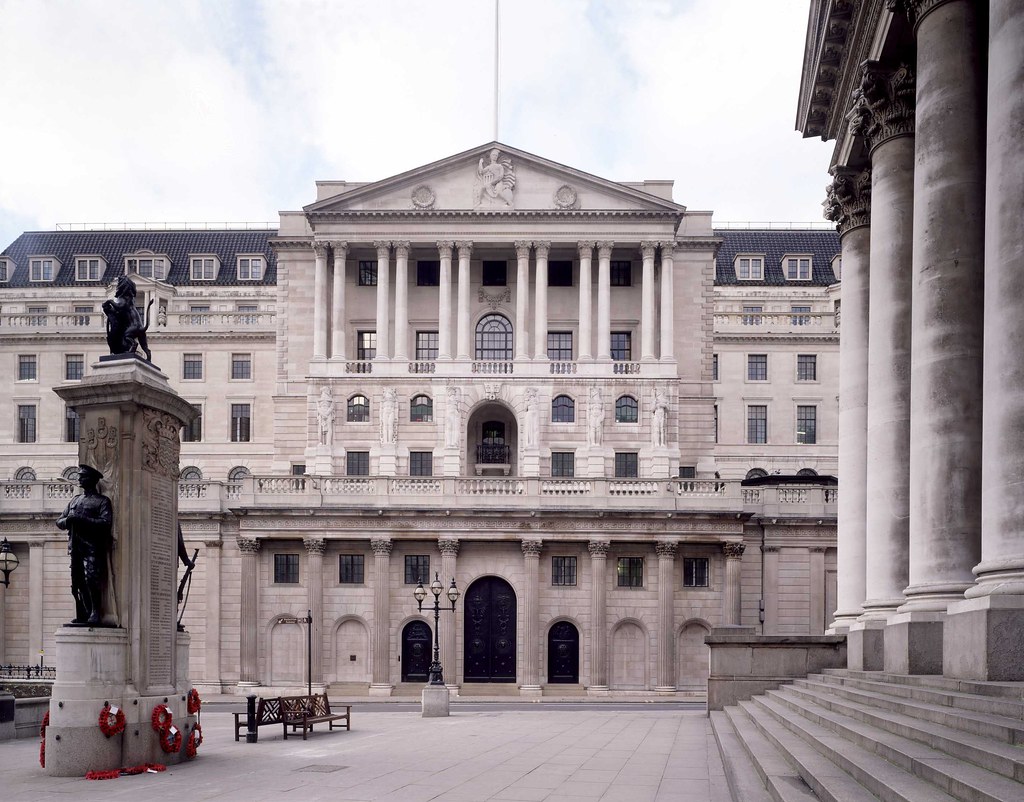
The Bank of England plans to cut its policy rate to 4% on Thursday, aiming for another rate cut before the end of the year. This decision comes after consumer price inflation in June nearly doubled the 2% target. However, board members are divided on how much inflationary pressures have eased.
Furthermore, the slowing labor market and stagnant growth raise questions about whether inflation will remain below target in the medium term if interest rates are not cut.Global Context and Outlook
UK inflation surged sharply in 2022 following Russia’s intervention in Ukraine, rising to 11.1%. This was due to the country’s high reliance on natural gas. Inflation fell sharply in 2023, but began to accelerate again before falling to 1.7% in September 2024. In May, the BoE’s forecast was that inflation would not reach its target until early 2027.
In June, inflation rose to 3.6%, and some economists expect it to exceed 4%.
Increase in Inflation Expectations
Most BoE officials view business and household expectations of future inflation as a key indicator. These measures have risen over the past year. Citi/YouGov’s long-term expectations measure has reached its highest level since late 2022.
However, some officials argue that these surveys should only be seen as a reaction to current inflation.Local Inflationary Pressures
Consumer price inflation showed a large drop in 2023, but some key components are still high. Service prices and the core Consumer Price Index (CPI) rose more than headline inflation. Furthermore, food and beverage prices are rising rapidly, which is becoming more pronounced for low-income Britons.
Salary Growth High But Slowing
Although annual salary growth in the private sector has fallen to around 5%, this is still approximately 2% higher than pre-pandemic levels. The Bank of England and employers expect salary increases to fall to around 3% over the next 18 months. However, this decline in wage increases is not progressing uninterrupted despite the rise in the unemployment rate.
PMI Data: Cost Pressures Increasing
In July, businesses in the UK are raising prices rapidly. According to PMI data released by S&P Global, price increases are still higher than before the pandemic. The sharp rise in costs in the service sector and manufacturing could trigger price increases that will be passed on to consumers.