The Fed is preparing to keep interest rates unchanged despite pressure from Trump.

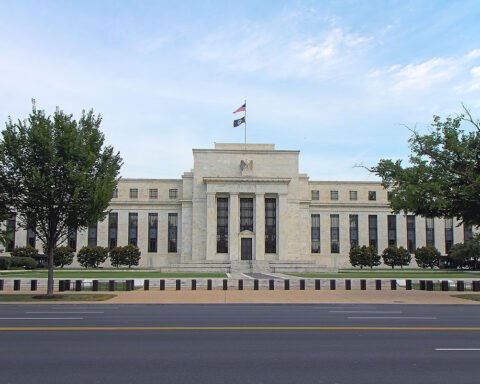
The US Federal Reserve (Fed) is preparing to keep its policy interest rate unchanged at its meeting this week, despite President Donald Trump’s calls for sharp interest rate cuts. Last week, Trump inspected the Fed headquarters in a rare presidential visit and called for interest rates to be lowered from the 4.25-4.50% range to 1%. However, given that the economy has generally remained stable for the past six weeks and such sharp cuts are typical of recessions, this request is not considered realistic by the market and experts. Even among members of the Federal Open Market Committee (FOMC), the Fed’s decision-making body, support for such an aggressive rate cut is limited. Only two executives appointed by Trump—Christopher Waller and Michelle Bowman—are advocating for a small rate cut and are expected to oppose the decision if interest rates remain unchanged. The Fed’s policy decision, to be announced at 9:00 PM on Wednesday, will be scrutinized for signals of a possible rate cut in September. Markets are currently pricing in two 25 basis point interest rate cuts by the end of the year.

High Inflation, Low Unemployment

Inflation running above the Fed’s 2% target and a low unemployment rate are leading it to be cautious about interest rate cuts.

Deutsche Bank economists predict that the Fed will continue its data-driven decision-making approach, saying, “Powell will neither completely rule out nor confirm the possibility of a rate cut in September.”

Harsh Criticism and Political Pressure from Trump

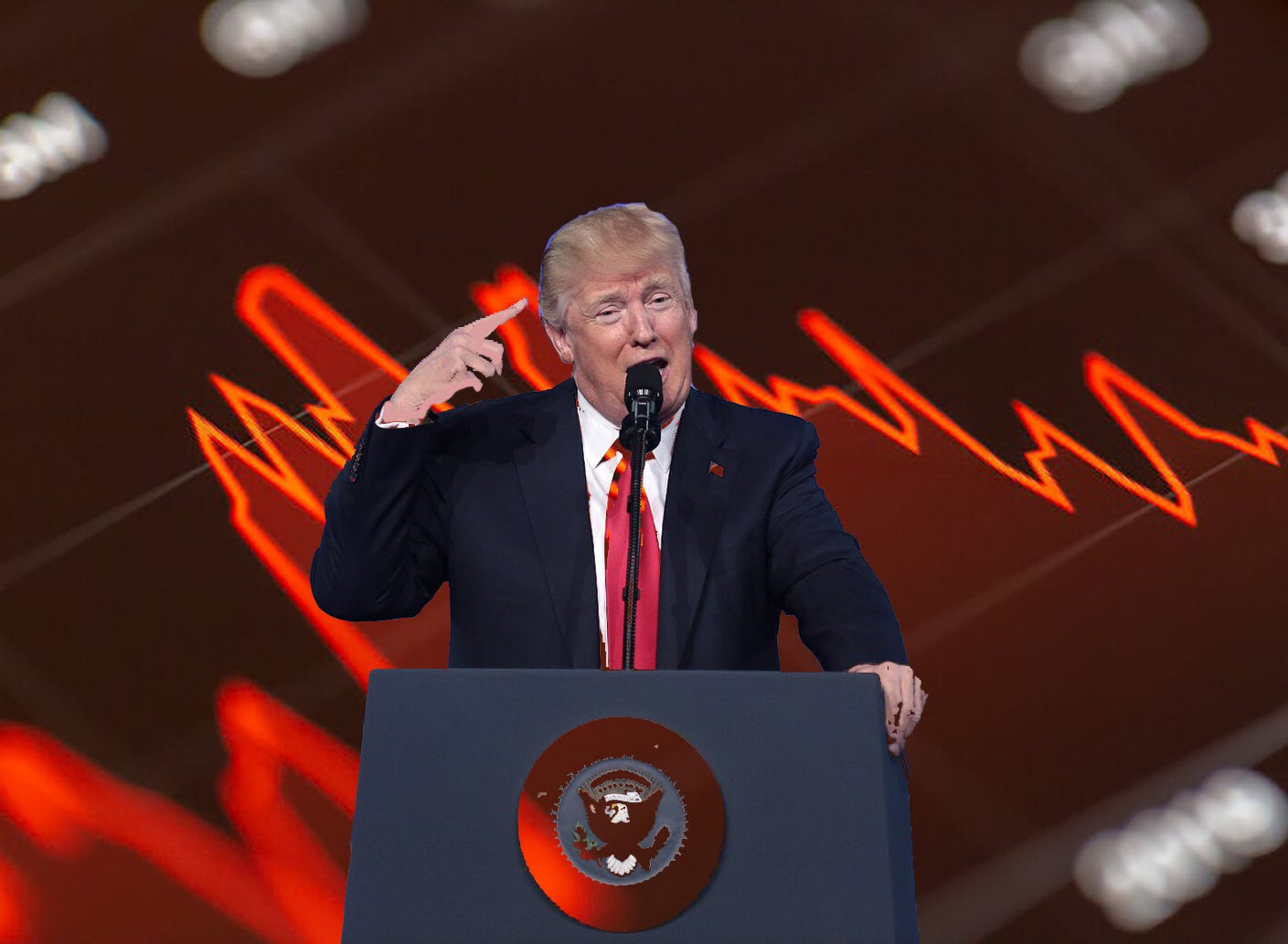
Trump openly criticizes Powell, arguing that high interest rates increase government borrowing costs and put pressure on voters by raising mortgage rates. The president’s pressure for interest rate cuts peaked last week with criticism of the Fed’s building renovation project, leading Trump to personally visit the Fed building. However, this visit was interpreted as the risk of Powell’s dismissal being off the table in the short term. Economists argue that steps taken by Trump, such as import tariffs and immigration policies, could trigger inflation in the near term, and therefore aggressive interest rate cuts would be risky. Economists argue that steps taken by Trump, such as import tariffs and immigration policies, could trigger inflation in the short term, and therefore aggressive interest rate cuts would be risky.

Leave a Reply

Your email address will not be published.

Previous Story

Apple is under pressure due to tariffs and slow progress in AI development.

Next Story

Swiggy’s Losses Are INCREASING: Fast Trading Investments Are Making the Burden Heavier.

Latest from Blog

EBay Rejects GameStop’s Unsolicited $56 Billion Bid

The e-commerce pioneer labeled the half-cash, half-stock offer as neither attractive nor realistic for its shareholders. Market analysts consistently doubted the smaller retailer’s ability to acquire a company nearly four times its

Energy Giants Revive Syria’s Offshore Potential

The partners will launch a technical review of Block 3, located near the coastal city of Latakia. This memorandum establishes a vital framework for future commercial exploration within the Mediterranean Sea. Syria’s

Under Armour Warns of Annual Sales Decline

The sportswear brand pointed to economic uncertainty and cautious spending patterns among shoppers in its largest market. Under Armour expects fiscal 2027 revenue to decline slightly from the previous year’s performance. Analysts

Australia Targets Housing Investors With Tax Overhaul

Treasurer Jim Chalmers described the budget as the government’s most ambitious economic plan in decades. The reforms target capital gains tax discounts and negative gearing benefits tied to investment properties. Officials argued
Go toTop