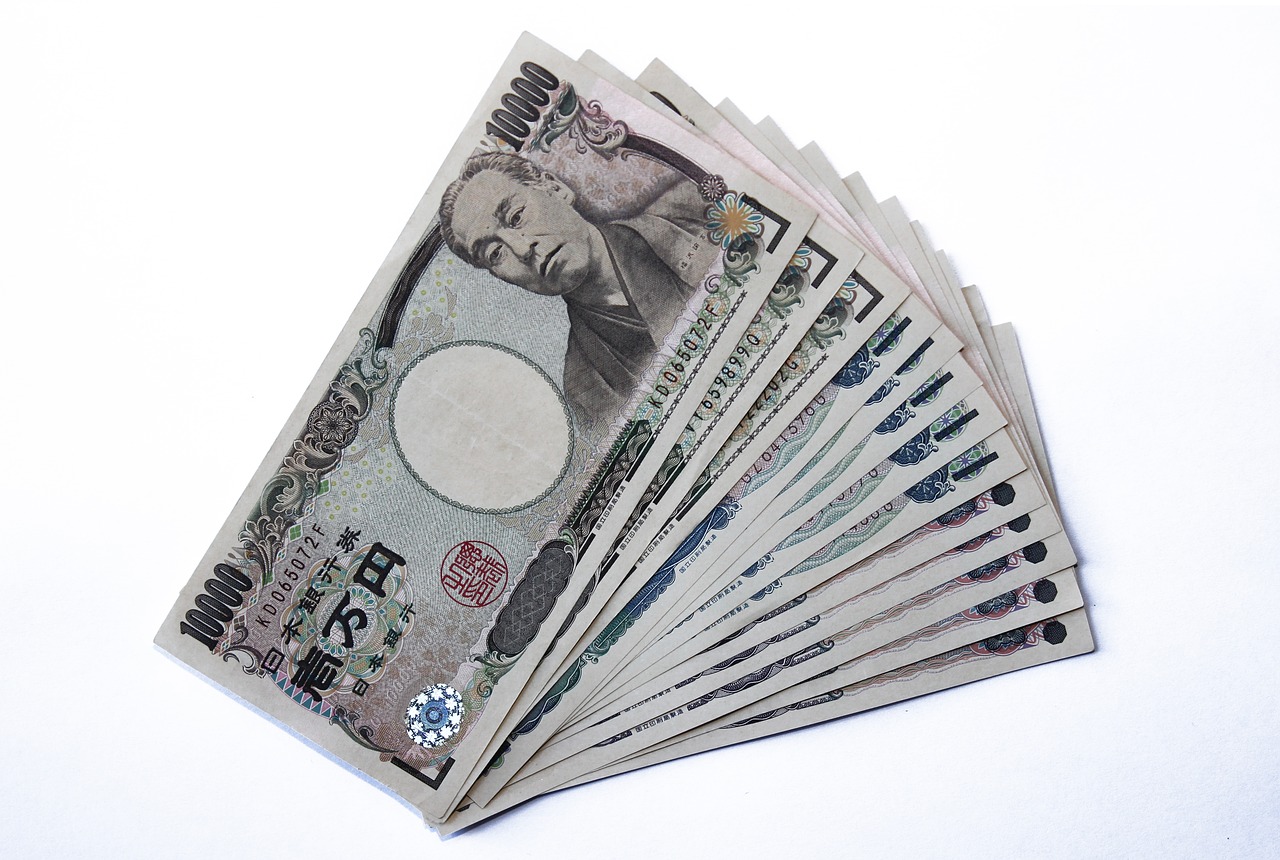
The market focus on Wednesday was the yen; speculation between the future of Japanese Prime Minister Shigeru Ishiba and US President Donald Trump’s announcement of a trade deal with Japan caused the yen to fluctuate.
Initially, following the trade deal, the yen rose to its strongest level since July 11 against the dollar, reaching 146.20, but then lost value amid news that Ishiba was considering resigning following his defeat in the upper house elections next month.
Ishiba stated that the resignation decision was “completely unfounded,” which helped the yen recover somewhat, stabilizing at 146.83 against the dollar. The trade agreement lowers tariffs on automobile imports while exempting Tokyo from new punitive taxes. This has implications for the yen related to both the economy and the Bank of Japan’s interest rate hike plans. Rabobank FX Strategy Head Jane Foley said, “The trade agreement increases the likelihood of the Bank of Japan raising interest rates this year. This is positive for the yen and makes a return to the 150 level more difficult.”During periods of trade and political uncertainty, markets act cautiously, and movements in other currencies have also remained limited. The US dollar, in particular, suffered its biggest losses since Trump announced broad tariffs on trading partners on April 2, but this weakening was mitigated by the suspension of tariffs for negotiations. The euro fell 0.1% during the day to $1.1744, trading near its four-year high seen earlier in the month. The British pound, however, rose slightly to $1.1354. Unlike the euro, European stock markets rose on expectations that the trade agreement with Japan could pave the way for similar agreements with Europe. Trump announced that European Union negotiators will be in Washington on Wednesday.
The European Central Bank meeting is expected on Thursday, but no change in interest rates is anticipated.
The positive impact of the trade agreement on the global economy and higher metal prices had a positive effect on the Australian dollar. The Australian dollar rose 0.4% to $0.6581.