U.S. consumer prices likely recorded their largest annual increase in 18 months in November, underscoring mounting affordability pressures that economists partly attribute to higher import tariffs.
According to forecasts ahead of Tuesday’s delayed release of the Consumer Price Index (CPI), headline inflation likely rose 3.1% year on year, the strongest pace since May 2024, up from 3.0% in September. The data comes after a 43-day government shutdown disrupted normal reporting, forcing the Bureau of Labor Statistics (BLS) to cancel October’s CPI release and omit monthly price changes for November.
While month-to-month figures will be unavailable, the BLS will publish annual readings for both headline CPI and core inflation, which strips out food and energy. Economists say the absence of October data makes year-on-year comparisons more reliable.
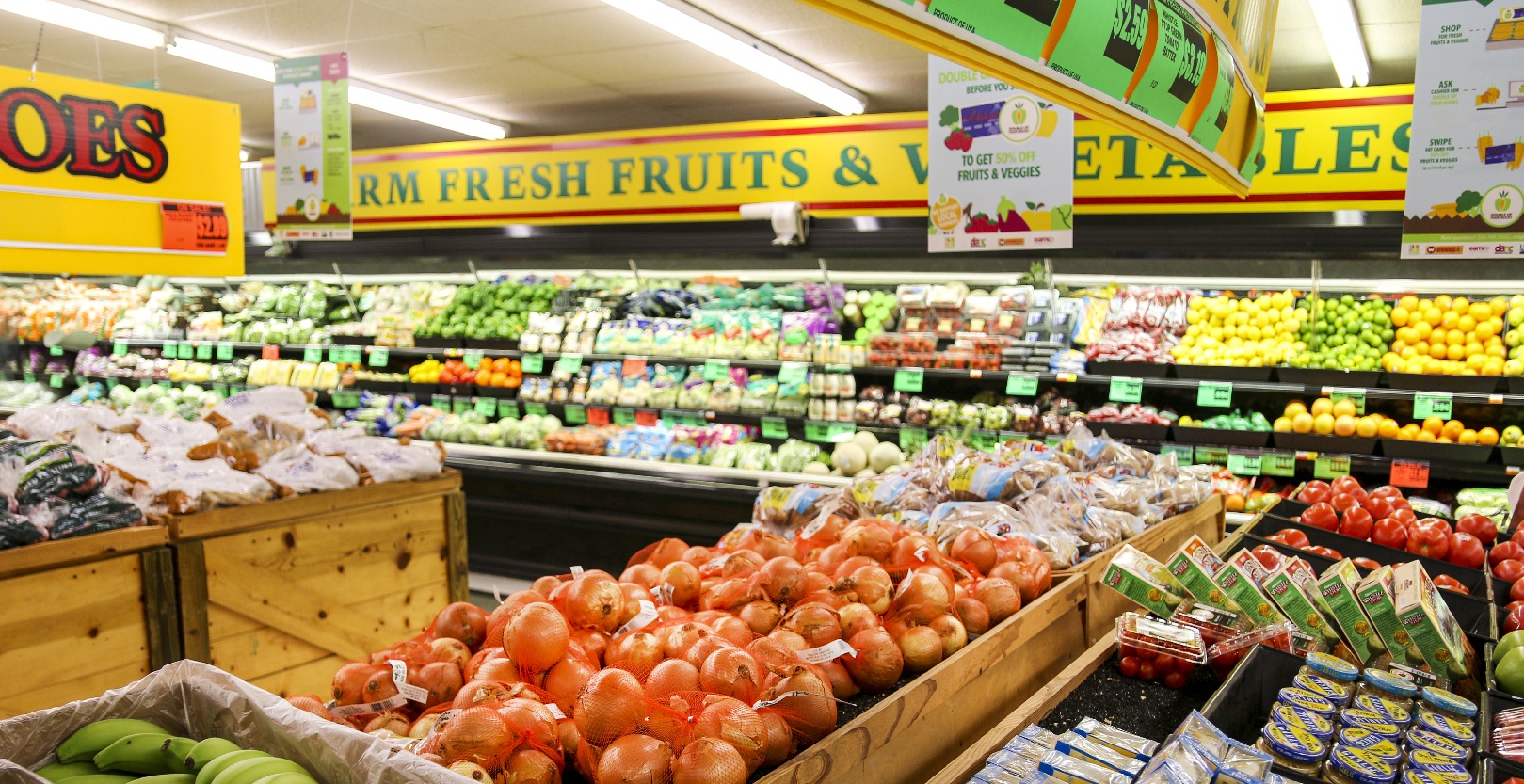
“Disinflation progress has stalled,” said BNP Paribas economist Andy Schneider, pointing to companies increasingly passing tariff costs on to consumers. Analysts estimate retailers had shifted about 40% of tariff-related costs to consumers by September, a figure expected to rise toward 70% by early next year.
Some economists caution inflation could come in slightly below expectations, as delayed data collection may have captured heavier holiday discounting, particularly for goods such as furniture and recreational items. Any softness, however, could prove temporary, with prices rebounding in December.
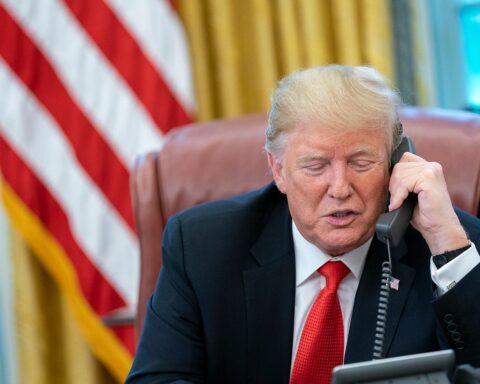
Tariffs have disproportionately hit lower-income households, economists say, as these consumers have fewer savings buffers and slower wage growth. President Donald Trump, who campaigned on easing inflation, has alternated between downplaying affordability concerns and promising relief from his economic agenda.
Core CPI is expected to rise 3.0% year on year, unchanged from September, driven by firm rents and goods prices, partly offset by softer airfare and hotel costs.
The Federal Reserve, which targets inflation using the Personal Consumption Expenditures (PCE) index, cut interest rates by 25 basis points last week to a 3.50%–3.75% range but signaled caution on further easing. Fed Chair Jerome Powell said tariffs remain the main driver behind inflation overshooting the central bank’s 2% goal.
Economists warn that pricing resets early next year could spark another burst of goods inflation, even as the White House rolls back duties on select imports.