US President Donald Trump’s shifts in tariff policies have not only caused fluctuations in global financial markets but have also sent investors on a downhill ride. Legal challenges related to tariffs and Trump’s commitment to making bilateral deals with trading partners are other factors increasing uncertainty.
Last week, a framework trade agreement was signed between the US and the European Union. This agreement, by deciding on a 15% tariff on EU goods, averted a larger trade war and put an end to a dispute between the two allies that accounts for about a third of global trade.
Trump also imposed a 50% tariff on some copper imports and suspended the “de minimis” exemption for low-value commercial shipments.Trump sent letters to 17 pharmaceutical companies last Friday, asking giants like Eli Lilly, Pfizer, Novo Nordisk, J&J, and Merck to lower drug prices for patients in America.
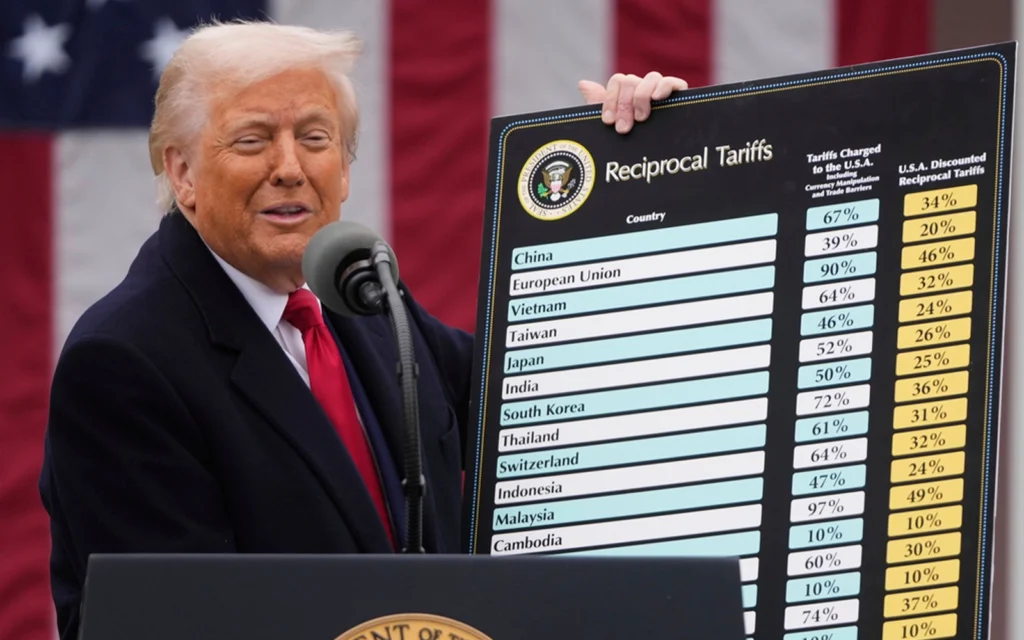
Trump modified earlier tariff threats against several trading partners, including Canada, Brazil, India, Taiwan, and Switzerland. The US continues its efforts to shape global trade. Here are some key dates that could impact US tariffs: August 7: Trump will begin implementing “reciprocal” tariffs from 69 trading partners. These tariffs will range from 10% to 41%. New tariffs and measures against Russia may also be implemented. August 12: Trump will decide whether to extend the trade truce with China after its expiration. If not extended, tariffs could rise again, fueling a trade war.
August 29: Following Trump’s decision to suspend the “de minimis” exemption, all applied tariffs will be imposed on packages priced at $800 and below.
September 29: Pharmaceutical companies will be required to provide binding commitments to lower drug prices in the United States.