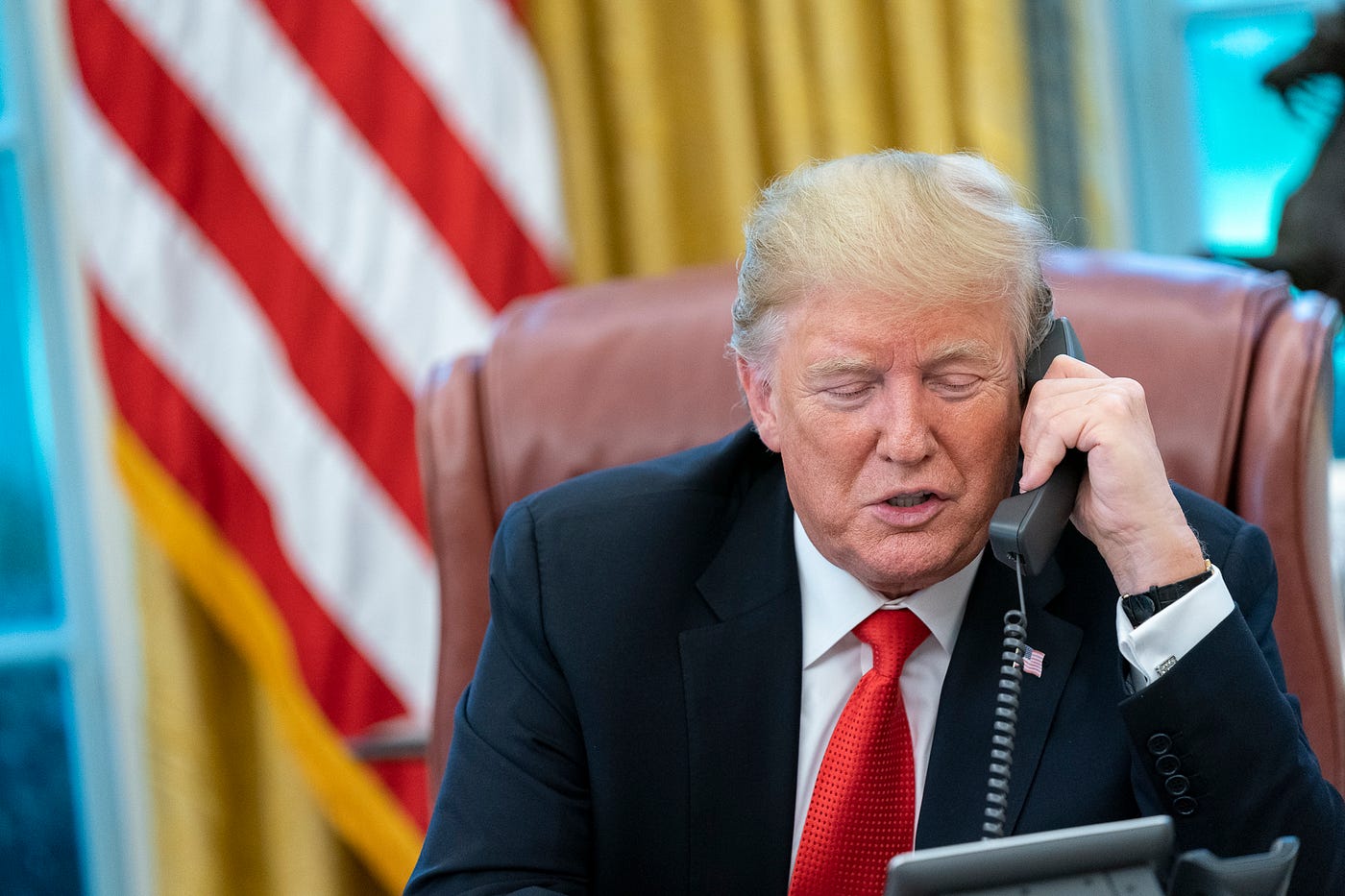
The U.S. Court of Appeals is examining former President Donald Trump’s tariff authority on Thursday. A lower court previously ruled that Trump exceeded his authority with broad tariffs on imports.
The U.S. Federal Court of Appeals in Washington will assess whether the tariffs Trump imposed in April on numerous trading partners and in February on China, Canada, and Mexico were lawful. The hearing will consider two separate lawsuits filed by 12 Democratic states and 5 small American companies. This process comes just before Trump is set to increase tariffs on nearly all trading partners on August 1, and represents the first serious legal test at the appeals level. Trump cited long-standing trade deficits and inadequate measures against fentanyl smuggling as justification for the tariffs. However, these countries denied the accusations. Criticisms point to the tariffs not being issued under emergency powers. The plaintiffs argue that the authority to impose tariffs belongs solely to Congress under the Constitution. Trump defends the tariffs under the International Emergency Economic Powers Act (IEEPA) of 1977. However, this law is typically used to impose sanctions or freeze assets against adversaries – Trump is the first president to use it for tariffs. In May, the International Trade Tribunal ruled the tariffs illegal, stating that the IEEPA does not cover long-term trade deficits. However, the tariffs remain in effect while the appeals process continues.This case will not affect tariffs applied to traditional taxes such as steel and aluminum, but it could affect the course of seven separate lawsuits filed against Trump’s claim of “unlimited presidential authority.” So far, no court has supported Trump’s interpretation of this authority.
Trump recently announced trade agreements with the European Union and Japan that include new tariffs. The Justice Department warned that limiting the presidential authority could harm ongoing trade negotiations.