
Global equities edged higher on Thursday, recovering from an AI-driven selloff in the tech sector, as investors turned their attention to a packed slate of central bank decisions highlighting diverging global monetary paths.
European shares rose modestly, with the STOXX 600 up 0.1%, while U.S. stock futures gained 0.3% to 0.6%, signaling a potential pause after Wednesday’s sharp losses. The rebound followed renewed concerns over soaring AI capital spending, sparked by Oracle’s announcement that a key partner had pulled out of a major data-center financing deal. Oracle shares slid 5.4%, extending losses to roughly 50% since mid-September.
“Oracle has become the poster child for fading AI infrastructure hype,” said IG analyst Tony Sycamore, citing heavy debt, rising capex, construction delays and investor unease over returns.
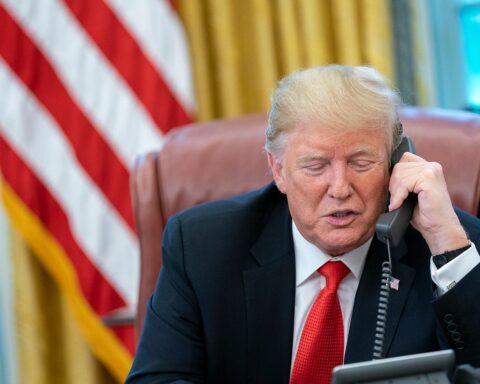
Markets were also digesting geopolitical developments. Oil prices climbed for a second straight session after U.S. President Donald Trump ordered a blockade of sanctioned Venezuelan oil tankers, while reports of possible new sanctions on Russian energy exports added to supply concerns. U.S. crude rose 0.6% to $56.13 a barrel, and Brent gained 0.5% to $60. Gold and silver advanced, with silver hitting a record high.
In currencies, sterling weakened for a second day after UK inflation slowed more than expected, effectively locking in a Bank of England rate cut later on Thursday. The pound fell 0.16% to $1.3353, while the euro eased 0.14% to $1.1724 ahead of the European Central Bank’s policy decision, where rates are widely expected to remain unchanged. Japan’s central bank is seen raising rates on Friday, though the pace of future tightening remains uncertain.
Attention is also on the U.S. Federal Reserve. Governor Christopher Waller said there was room to cut rates amid signs of labor market weakness, while Trump reiterated that his next Fed chair would strongly favor much lower interest rates. Investors are awaiting November U.S. inflation data later in the day, though analysts say its impact may be muted as the Fed’s focus shifts toward employment conditions.
U.S. Treasury yields edged lower, with two-year yields slipping to 3.464% and 10-year yields falling to 4.133%, reflecting cautious optimism as markets brace for key policy signals.