
Republican People’s Party (CHP) Chairman Özgür Özel strongly reacted to the investigation launched by the Istanbul Chief Public Prosecutor’s Office regarding boycott calls made on social media
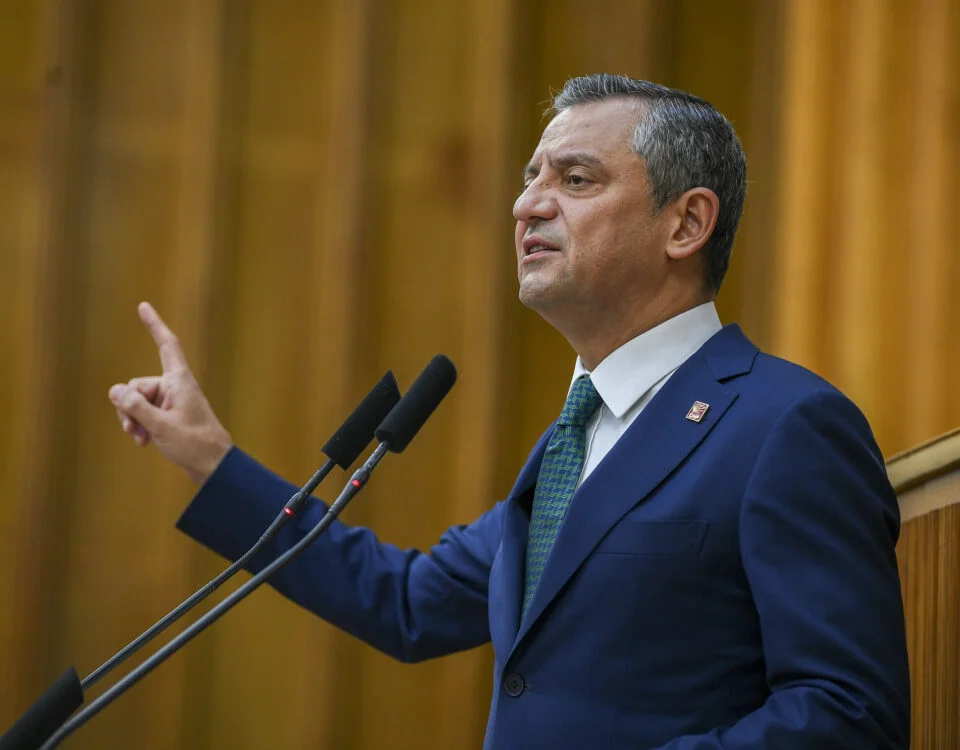
Özel stated that he found this situation contrary to the fundamental principles of law and democratic rights, emphasizing that the boycott is a method of social response and that every individual should be able to freely exercise this right.
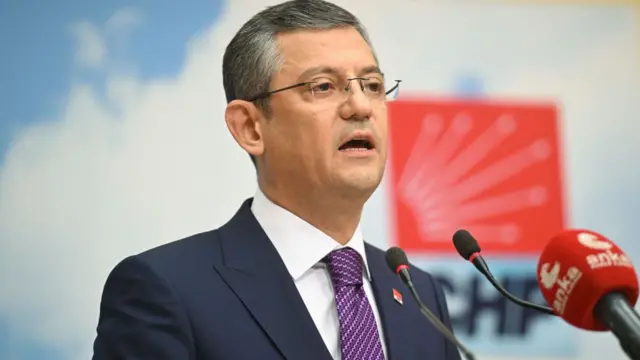
Özel reminded that President Recep Tayyip Erdoğan had also made similar boycott calls in the past, saying, “What is permissible for Tayyip Erdoğan cannot be forbidden for the nation! It was Erdoğan himself who started the media boycott in 2008. Today, the boycott…” Those who criticize it are following in the footsteps of those who advocated for this method in the past. What has changed now?” He used the following expressions.
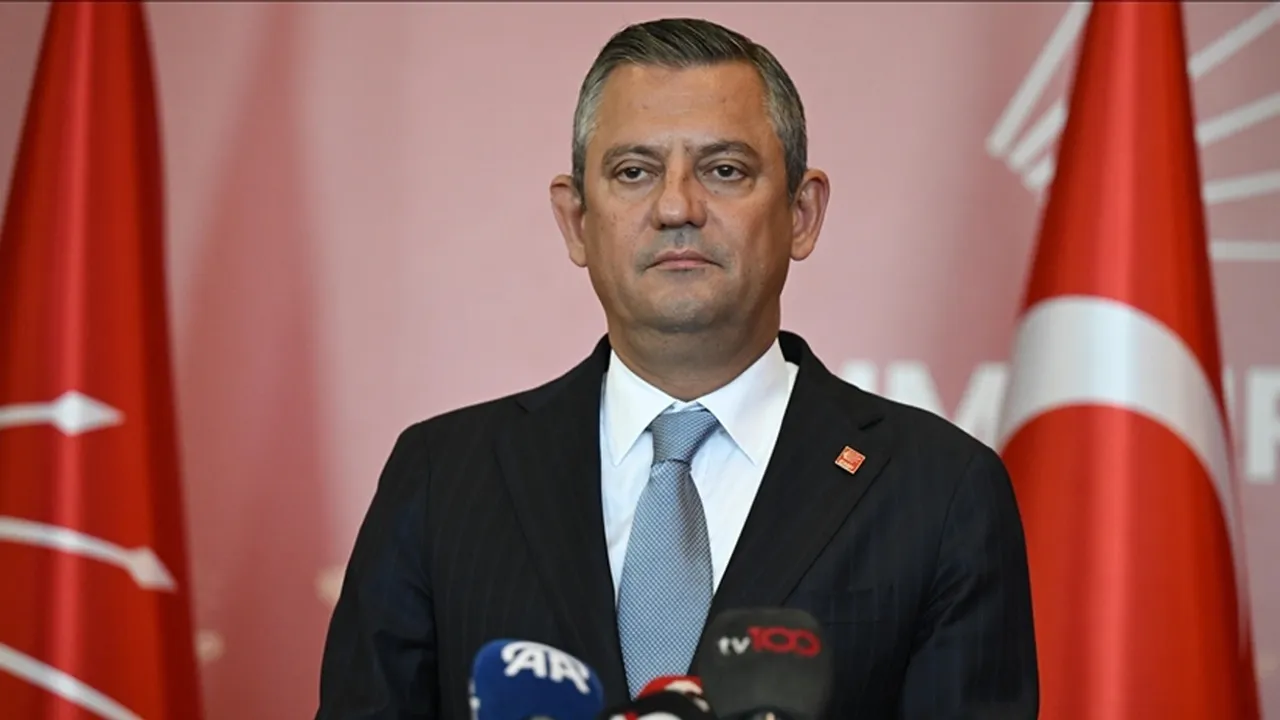
Özel’s statements came in response to the Istanbul Chief Public Prosecutor’s Office’s decision to investigate boycott calls on the charge of ‘inciting hatred and hostility among the public’. The Chief Public Prosecutor’s Office had announced that it would investigate whether the boycott calls made, particularly on social media, targeting specific products and brands, constituted an organized movement. However, this decision sparked major debates regarding freedom of expression. Expert Commentary Experts point out that a call for a boycott does not constitute a crime and that the consumer’s right to make informed choices cannot be hindered by a criminal sanction. On the other hand, it is known that President Erdoğan and government officials have also made boycott calls in the past. The boycott calls against US-based companies and the campaigns to protest certain brands in 2018 are still fresh in people’s memories. Özgür Özel, drawing attention to this point, argued that the government was applying double standards.
Statements from the AK Party reflect a different perspective. AK Party Spokesperson Ömer Çelik stated that such boycott calls could have negative effects on the economy and trigger speculative movements, saying, “If we don’t want to play into the hands of those waging economic war against Türkiye, we must avoid such initiatives.” Interior Ministry officials announced that necessary legal steps would be taken against initiatives that disrupt social order and incite the public.
These developments have also brought about a new debate in Turkey regarding freedom of expression and democratic rights. While the legal and ethical framework of the boycott is being re-examined, the government’s stance against such initiatives continues to be criticized by the opposition and civil society. It is expected that Özgür Özel and the CHP will emphasize this issue more on the political agenda in the coming period and bring the matter to parliament. In conclusion, this debate that developed around the boycott calls constitutes an important example of freedom of expression, the right to democratic protest, and political double standards in Turkey. In the coming days, it is eagerly awaited how this investigation will proceed and how this tension between the government and the opposition will unfold. Then, Özgür Özel and the CHP are expected to emphasize this issue more on the political agenda and bring it to parliament.


