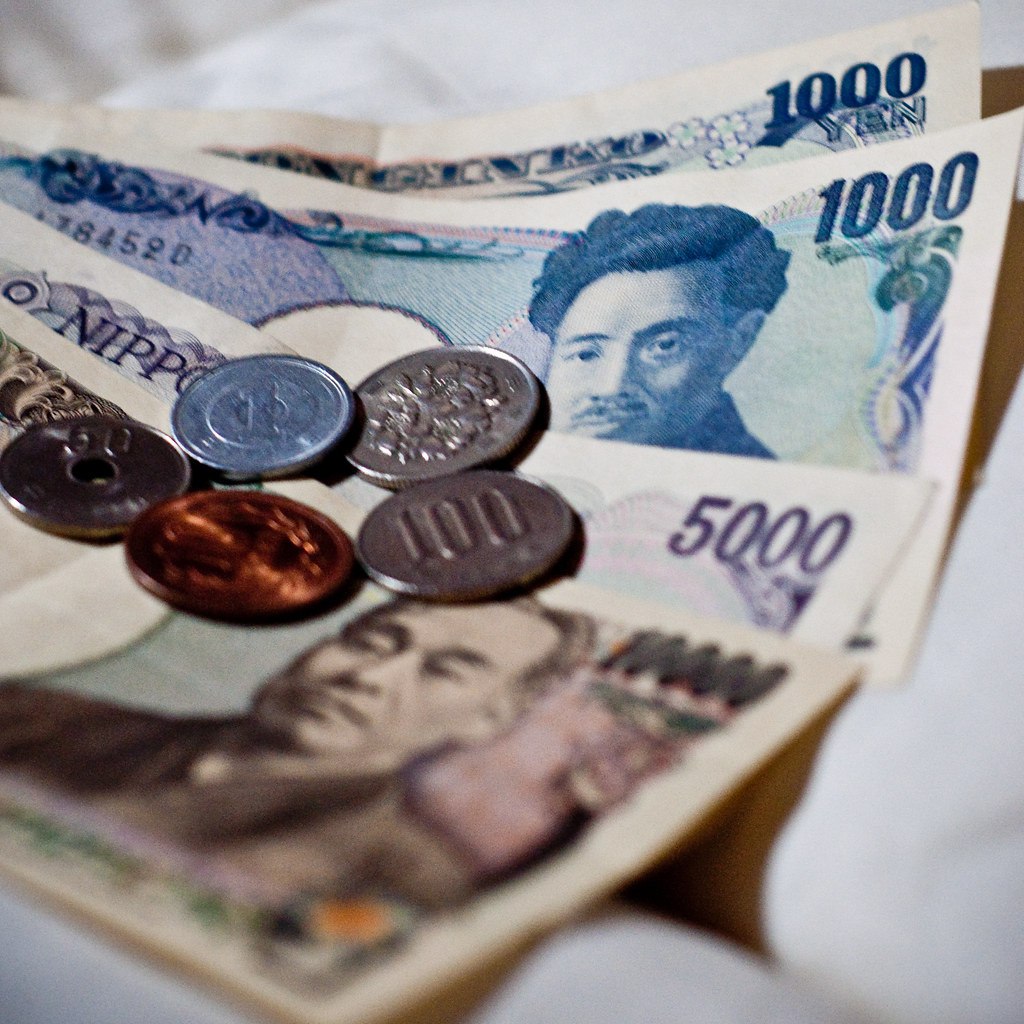
The Japanese government is considering a strategic move that would involve repurchasing some of its super-long-term government bonds. According to two sources familiar with the matter, this potential policy move is in response to growing concerns, particularly regarding the rapid and unstable yield increases on long-term bonds.
Super Long-Term Bonds: A Key Part of the Borrowing Strategy
Of the 172.3 trillion yen (approximately $1.2 trillion) worth of JGBs planned to be issued during the current fiscal year ending in March, more than 24 trillion yen is allocated to super long-term bonds. Although these bonds are critical to financing the government’s long-term obligations, there are currently concerns about the market’s absorption capacity.
To address this issue, the Ministry of Finance will hold consultation meetings with market participants on June 20 and 23.
Expert Opinions: A Step in the Right Direction Market analysts welcomed this potential intervention positively. Nomura Securities’ Chief Interest Rate Strategist Mari Iwashita stated that the buybacks would complement expectations of reducing new bond issuance, saying, “Simply cutting new bond issuance may not be enough. Buying back old bonds could significantly alleviate excess supply pressure.”
Bank of Japan Also Under Scrutiny
The recent volatility in the bond market has also drawn renewed attention to the Bank of Japan’s (BOJ) yield curve control policy. The BOJ is trying to maintain this balance while gradually reducing its bond purchases.
According to insider information, the BOJ plans to continue its current reduction plan until March 2026; however, it may slow the pace of this reduction in the next fiscal year depending on market conditions.
BOJ Governor Kazuo Ueda warned that sharp movements in super-long-term bond yields could spill over into short-term interest rates and worsen borrowing conditions for households and businesses.