
Fuel prices in Türkiye are rapidly increasing due to recent fluctuations in global markets, exchange rate changes, and rising oil prices. According to statements made as of April 2, 2025, price increases continue for gasoline, diesel, and LPG.
These increases are putting serious pressure on consumers’ budgets and seem likely to have negative effects on the overall balance of the economy.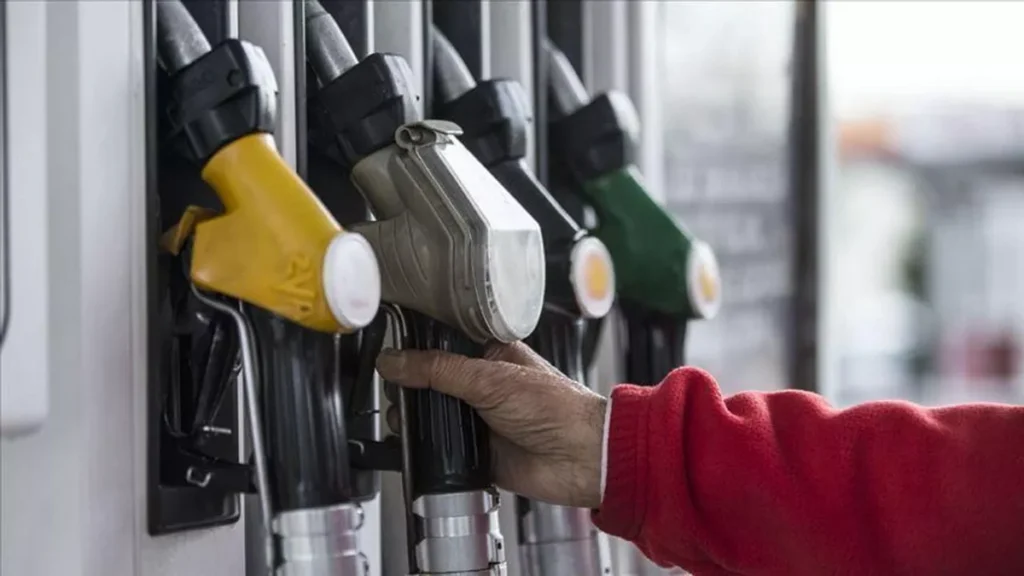
As of April 2, 2025, the price of gasoline per liter in Istanbul reached 46.72 TL, while the price of diesel reached 46.83 TL per liter. LPG prices were recorded at 28.19 TL/L. However, these figures may rise further in a short time. According to information obtained from sector sources, an additional 1.25 TL increase expected to be made to gasoline as of April 3, 2025, will push prices even higher. In this case, the price of gasoline per liter could exceed 48 TL.
One of the main reasons for these increases in gasoline and diesel prices is the rise in international oil prices. Oil prices have experienced a significant increase globally in recent weeks, and this has directly reflected on fuel prices in Türkiye. In particular, Brent oil prices reaching a 5-week high paved the way for increases in gasoline, diesel, and LPG prices in Turkey.
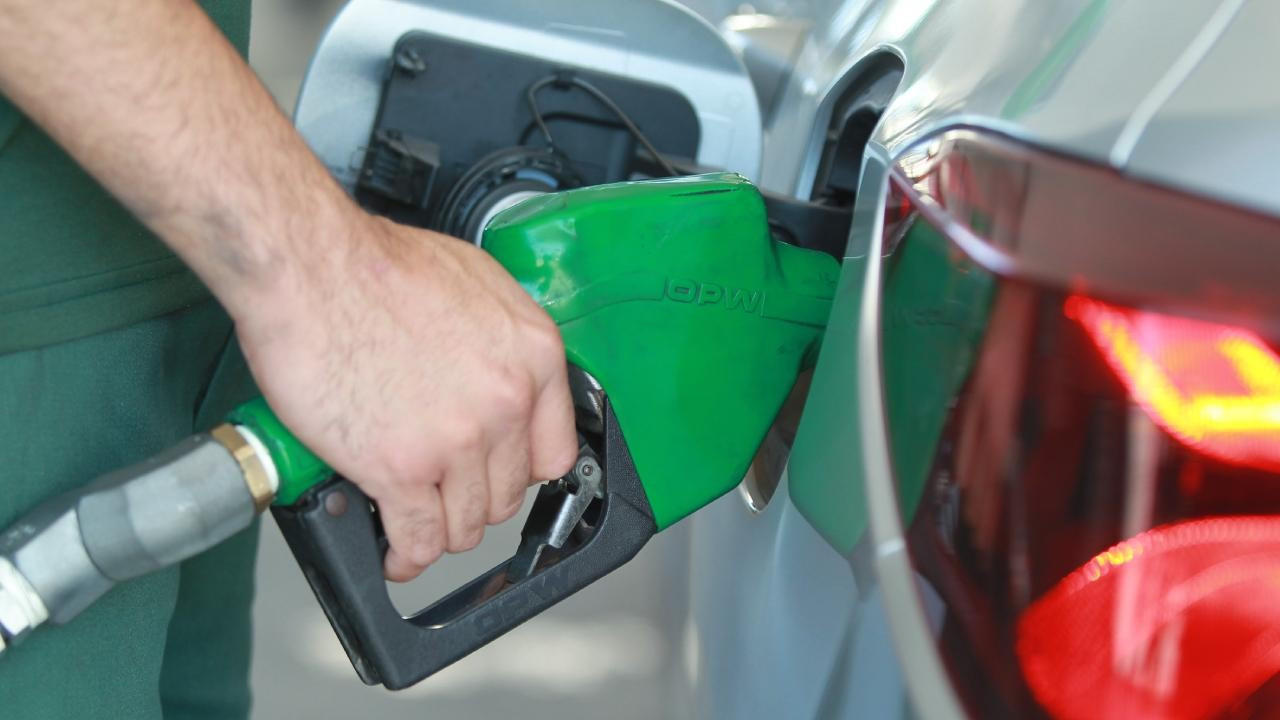
Especially over the next few weeks, gasoline and diesel prices are expected to increase even further.
Experts emphasize that these price increases will negatively impact not only fuel prices but also transportation costs, the logistics sector, and ultimately many areas of daily life.Impacts on Transportation and the Economy
The increase in fuel prices means a direct increase in costs for the consumer. Citizens who travel by personal vehicle, in particular, will face higher transportation costs with the rising gasoline and diesel prices. In addition, increased costs are expected in the trade and logistics sectors. As transportation costs rise, the prices of food and other basic consumer goods are likely to be negatively affected by this increase. Producers, especially those operating in the agricultural sector, will face higher input costs with the rising fuel prices. This will lead to increased costs throughout the process from production to distribution, increasing inflationary pressure on consumer prices. What Awaits the Consumer? Citizens may consider turning to alternative transportation methods in the face of constantly rising fuel prices. Options such as using public transportation, electric vehicles, and bicycles may become more attractive in the face of rising prices. However, the fact that public transportation fares have also increased in parallel with the rise in fuel prices reveals the necessity of taking measures in this regard.
Furthermore, the measures that the government and local administrations will take to mitigate these increases are of great importance. Because the increase in fuel prices affects not only drivers but also the entire population. It is stated that long-term solutions such as sustainable energy policies and incentives for domestic production should be focused on in order to maintain economic balance.
These increases in fuel prices as of April 2, 2025, once again show that Türkiye is facing economic difficulties. Rising gasoline and diesel prices will have a wide-ranging impact, affecting not only drivers but citizens from all walks of life. However, turning to alternative energy sources and increasing energy efficiency may be the most effective way to cope with these challenges in the long run. These recent increases in gasoline prices highlight the fragility of the economic structure and once again emphasize the importance of sustainable energy policies. While consumers will seek economic alternatives to balance their living costs, it is thought that the economic measures taken by the authorities will also play a decisive role.