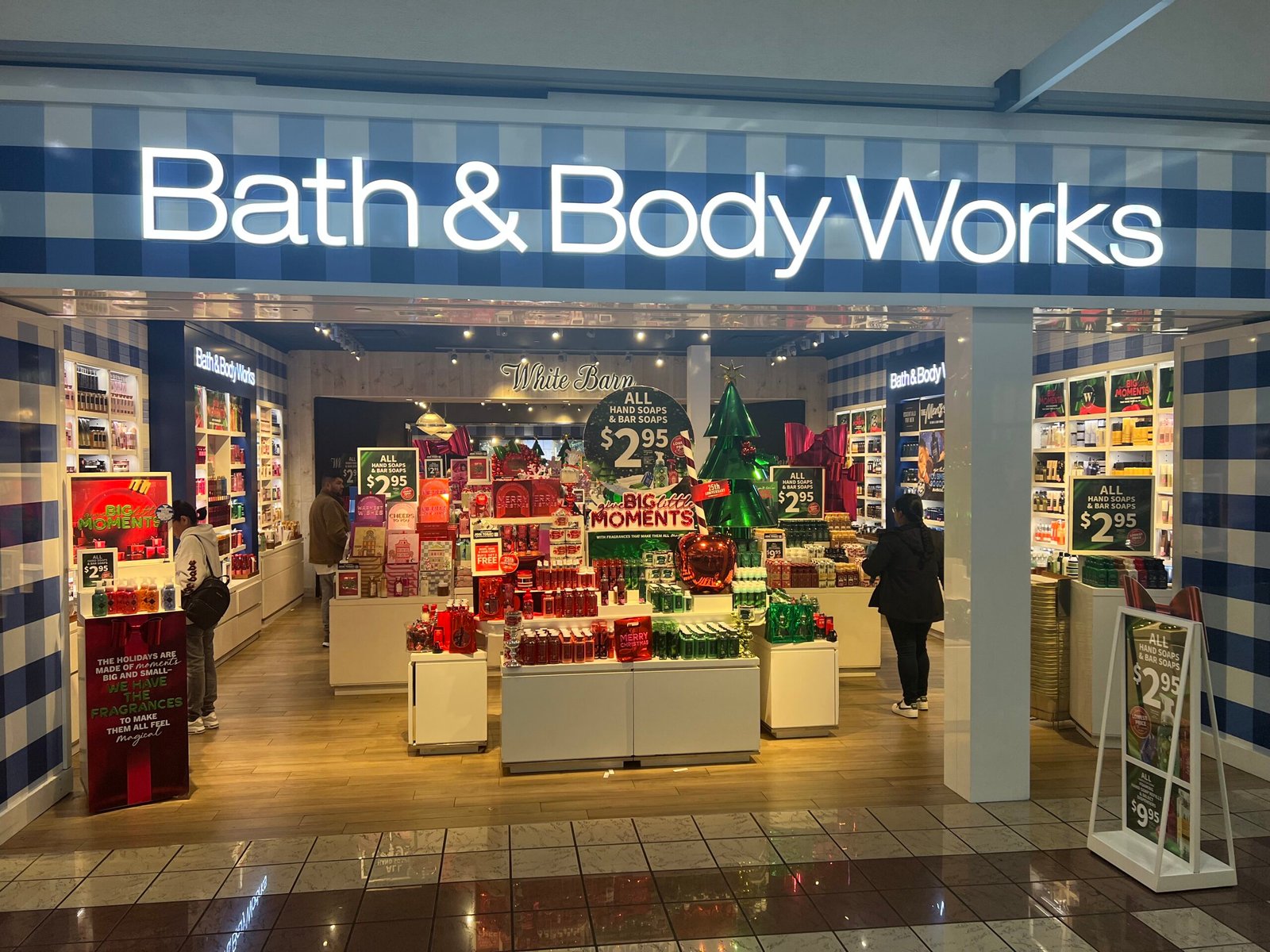
Bath & Body Works warned of a steeper decline in annual sales, citing cautious consumer spending as inflation pressures continue to weigh on discretionary purchases.
The retailer said budget-conscious shoppers are scaling back on higher-priced items such as scented candles, fragrances, and personal care products.
Rising living costs and a soft labor market outlook have pushed many consumers to prioritize essentials over premium lifestyle products.
Despite the cautious outlook, Bath & Body Works reported stronger-than-expected quarterly results for the period ending January 31.
The company posted quarterly revenue of $2.72 billion, surpassing analysts’ expectations of $2.62 billion, according to LSEG data.
On an adjusted basis, the retailer delivered earnings of $2.05 per share, beating Wall Street forecasts of $1.77 per share.
Still, management warned that economic pressure on consumers could continue to dampen demand for non-essential retail items throughout the year.
The outlook highlights growing challenges across the retail sector as companies navigate weaker discretionary spending amid persistent economic uncertainty.