Asian firms reacted cautiously after the US Supreme Court struck down a key pillar of President Donald Trump’s tariff regime, citing growing policy uncertainty.
Rather than celebrating, exporters and manufacturers said shifting rules are complicating access to the world’s largest consumer market.
Within hours of the ruling, Trump imposed a new 10% global tariff under emergency powers, later threatening to raise it to 15%.
Trade officials described the move as a temporary fix, leaving companies uncertain about future rates and broader US trade policy direction.
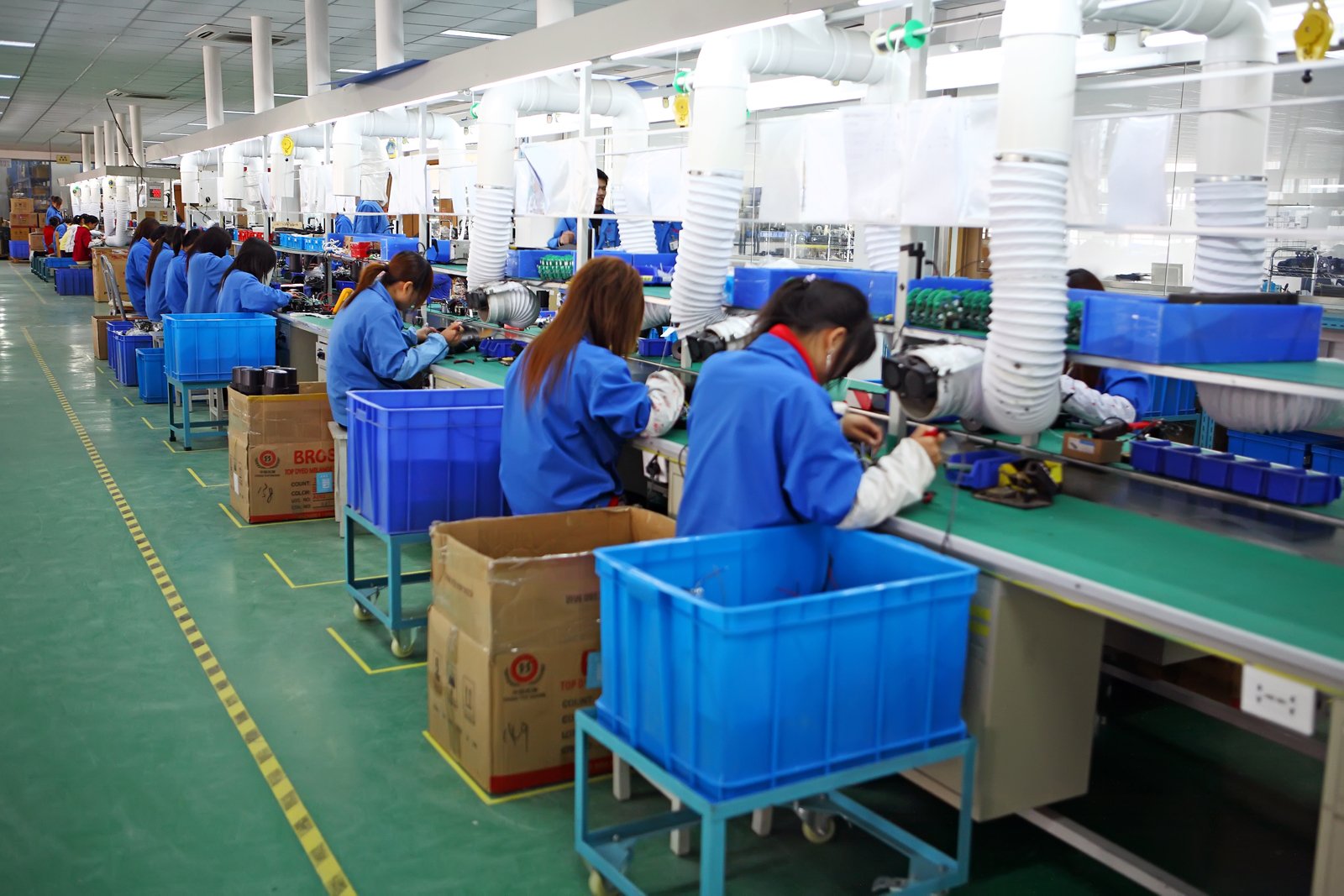
Manufacturers across Southeast Asia report cancelled orders, renegotiated contracts and mounting cost pressures since the original tariff announcements.
Business leaders say unpredictability, more than headline tariff levels, is undermining pricing strategies, investment decisions and long-term supply chain planning.
Logistics firms including DHL warn of a more complex operating environment, with unresolved questions over refunds and future enforcement.
Despite efforts to diversify, many exporters remain dependent on China’s scale and efficiency, reinforcing concerns that ongoing tariffs may ultimately strengthen Beijing’s manufacturing dominance.