The United States on Tuesday implemented a new 10% global tariff on goods not covered by exemptions, according to U.S. Customs and Border Protection.
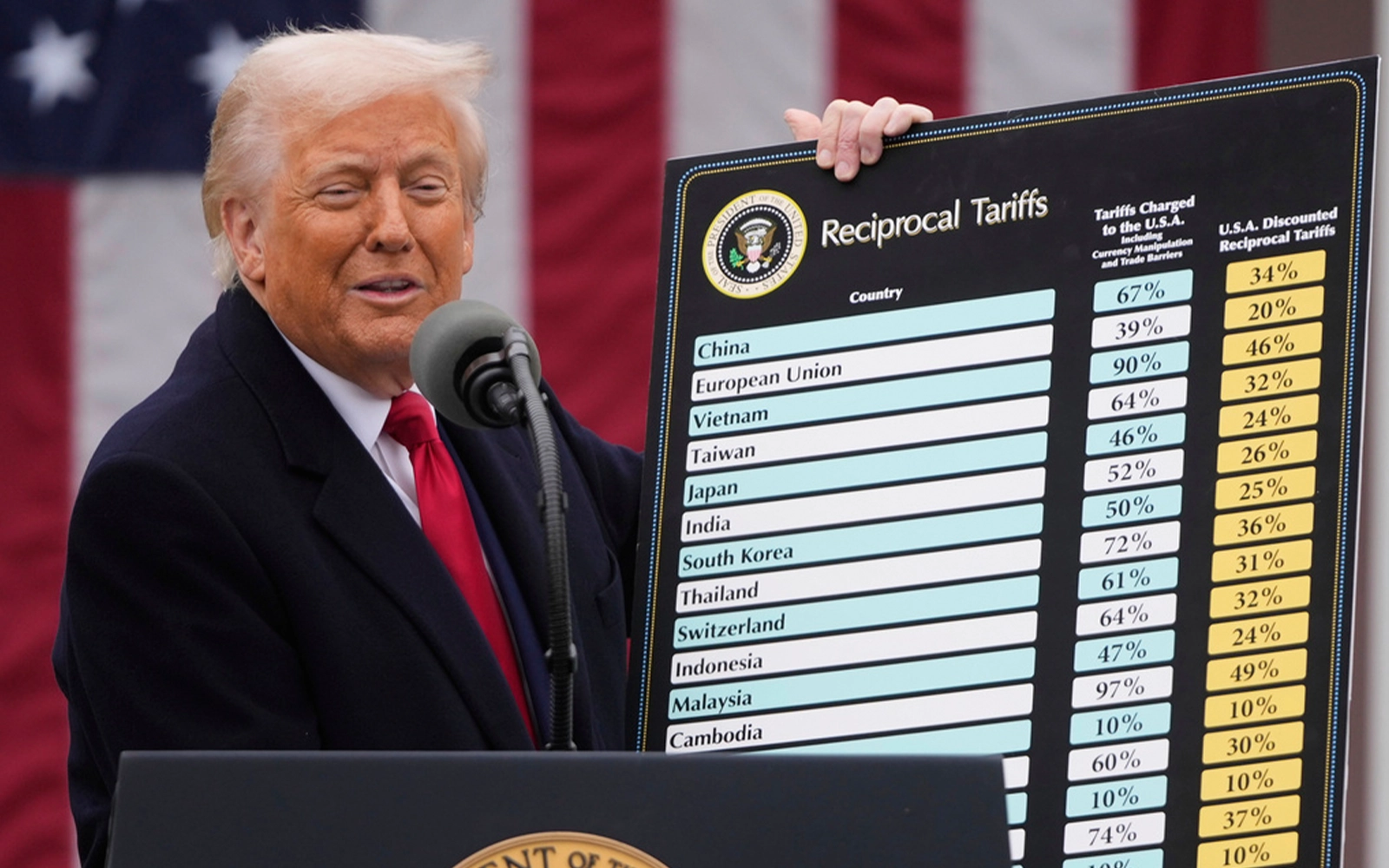
The rate matches President Donald Trump’s initial announcement Friday, lower than the 15% increase he signaled a day later.
The move follows a Supreme Court decision striking down earlier tariffs imposed under emergency powers, prompting the administration to introduce temporary replacement duties.
Collection of the annulled tariffs, which ranged from 10% to 50%, has ceased. The new 10% levy took effect at midnight.
Analysts say the reduced rate is less punitive than feared, yet trade uncertainty continues to weigh on investor sentiment and global markets.
European shares opened lower before stabilizing, as traders assessed the implications of shifting U.S. trade policy and potential next steps.
Under Section 122, the president can impose tariffs for up to 150 days to address balance-of-payments deficits, citing a $1.2 trillion goods trade gap.
China urged Washington to abandon “unilateral tariffs” and signaled openness to renewed talks, while key partners sought clarity on existing trade agreements.