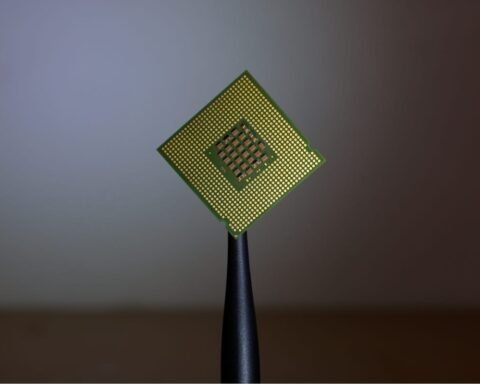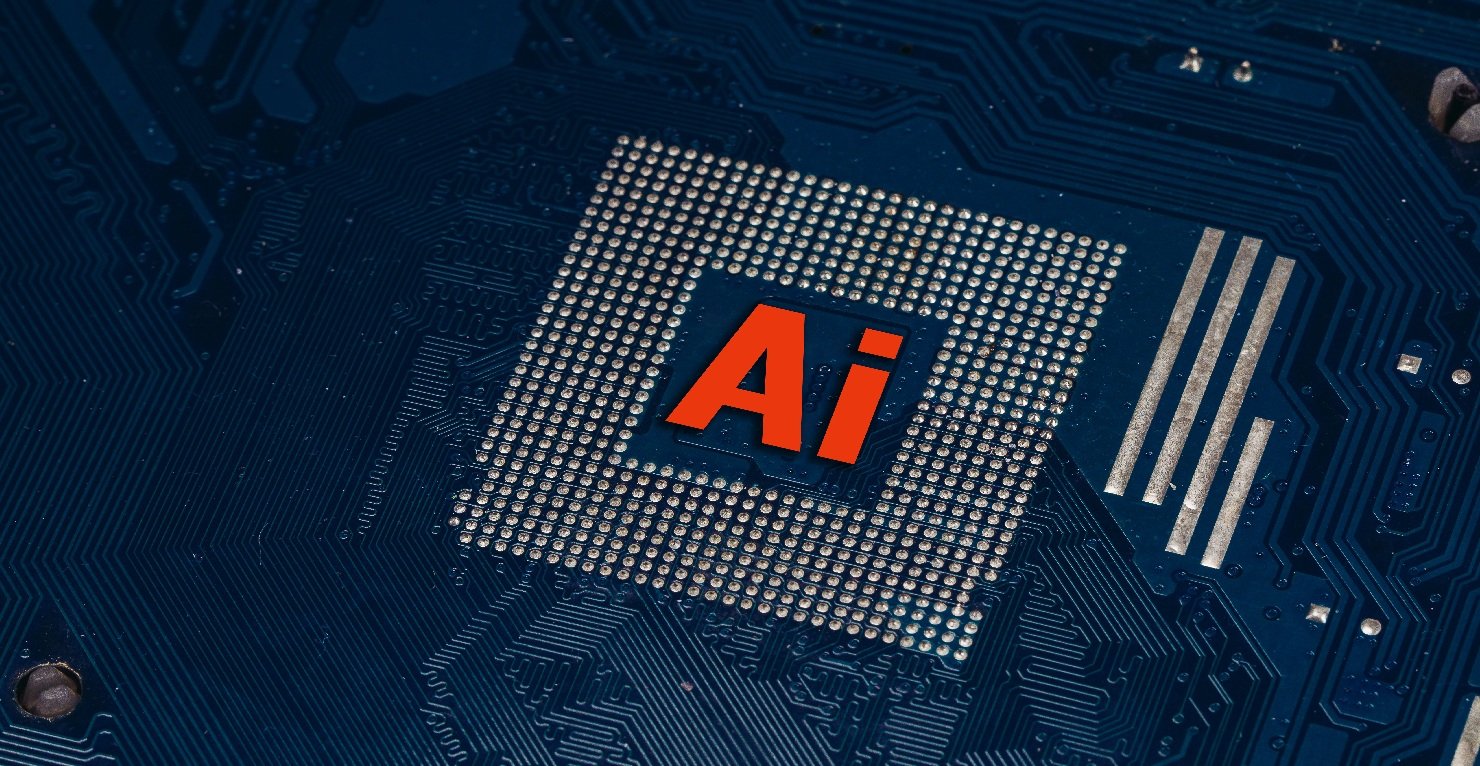
China’s ByteDance is developing an in-house AI chip and is in talks with Samsung Electronics to manufacture it, sources familiar with the matter said.
The TikTok parent aims to secure advanced processors amid tightening supply and intensifying global competition in artificial intelligence infrastructure.
Sources said ByteDance hopes to receive sample chips by late March and produce at least 100,000 units this year.
Production could scale to 350,000 units, with the chip designed primarily for AI inference workloads supporting its expanding digital ecosystem.
Negotiations reportedly include access to scarce memory supplies, a critical component during the global AI chip shortage.
A ByteDance spokesperson called reports of the project inaccurate, while Samsung declined to comment on the discussions.
The initiative reflects a broader strategy to reduce reliance on Nvidia and accelerate AI self-sufficiency, as Chinese firms navigate export restrictions and rising technological competition.