US trading partners continue to seek agreements as Trump’s high tariffs come into effect. Countries like Switzerland, Brazil, and India are trying to block the tariff increase, pushing US import taxes to their highest level in the last 100 years.
The US Customs and Border Protection Agency implemented Trump’s new tariffs, ranging from 10% to 50%. This decision came after intense negotiations with countries and weeks of uncertainty.
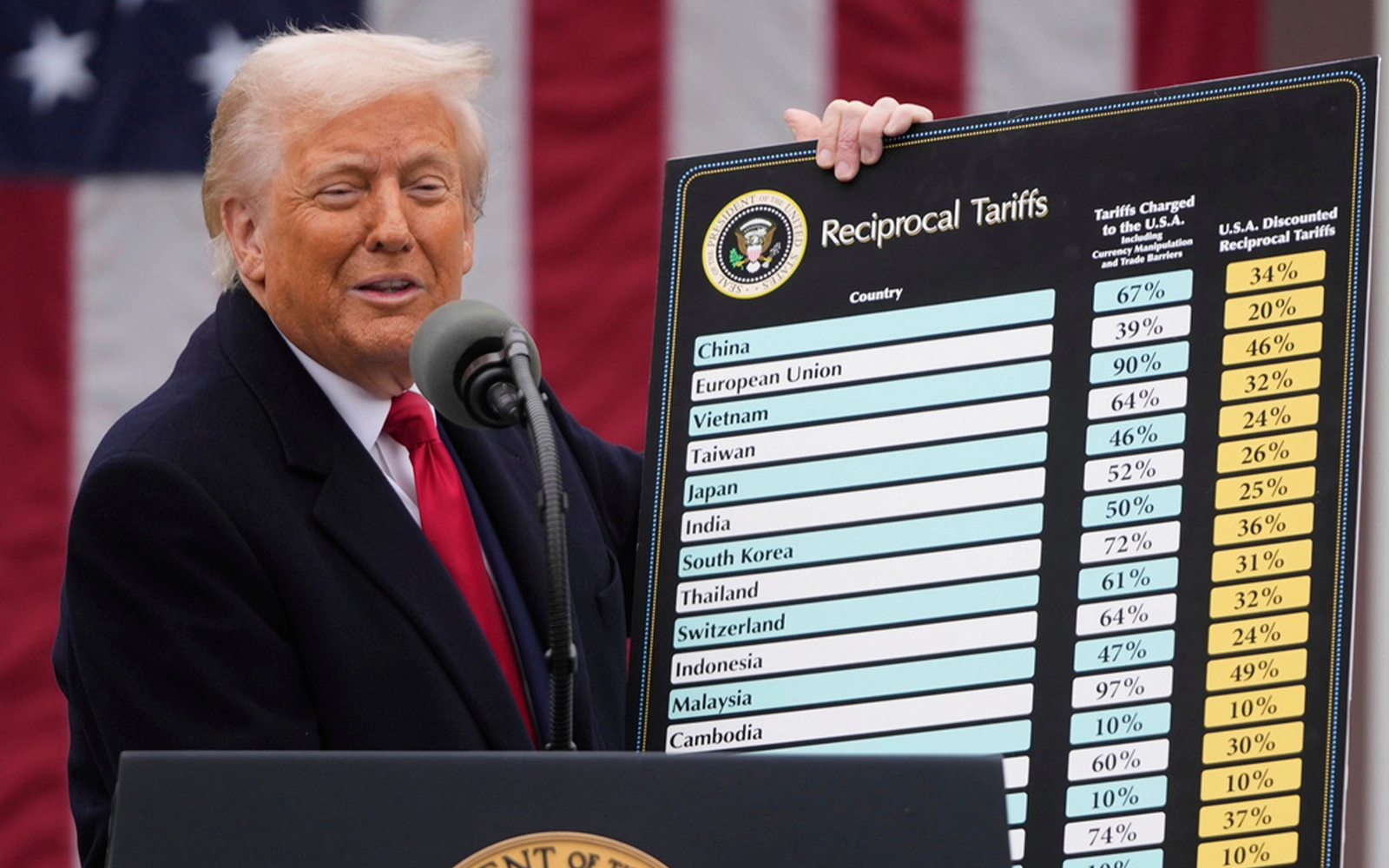
The leaders of Brazil and India have stated they will not succumb to Trump’s tough stance and will fight against the high tariff rates. Trump’s strategy to reduce the trade deficit will test how well it works without causing major disruptions to global supply chains and without high inflation or harsh backlash. His “Independence Day” tariffs, announced in 2023, impose import taxes of up to 50% on some countries. These include a 50% increase from Brazil, 39% from Switzerland, 35% from Canada, and 25% from India. Additionally, India will face an extra 25% tariff within 21 days due to its oil purchases from Russia.Trump argued on the Truth Social platform that billions of dollars would start flowing into the US once the tariffs begin, and that only radical left courts could bring the country to failure.
However, the tariffs will be paid by importing companies and end-product consumers. Eight major trading partners have agreed to reduce tariff rates to 15% on the US; these include the EU, Japan, and South Korea. Great Britain signed agreements with rates of 10%, while Vietnam and Indonesia signed agreements with rates between 19-20%. Countries like India and Canada are still struggling against high tariffs. Switzerland, after a last-minute visit to Washington, was one of the countries that couldn’t find a solution. Brazilian President Lula refused to meet with Trump, stating that his country would continue trade negotiations. Indian Prime Minister Modi similarly emphasized that they would not accept the tariff rates and would defend the interests of farmers. It was also noteworthy that Trump announced the decision to impose an additional 40% tax to prevent tariff increases by diverting products from countries to a third country.
Tariff Increases and Price Rises
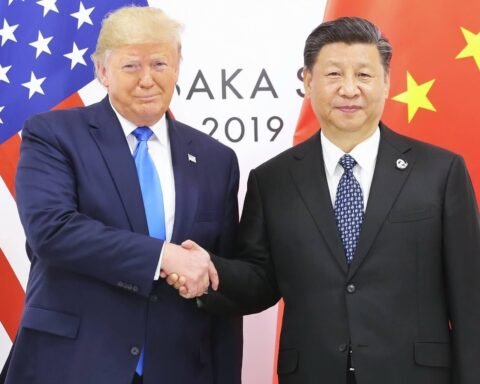
Trump’s tariffs also cover sectors such as semiconductors, pharmaceuticals, automobiles, steel, and aluminum. A separate tariff plan against China is still in effect and may increase by up to 100% on August 12. Furthermore, Trump plans to impose additional tariffs on China’s oil purchases from Russia. Trump aims to increase US federal revenue and has indicated that up to $300 billion in tax revenue is expected. However, high tariffs continue to drive up domestic prices, placing a significant financial burden on giant companies like Caterpillar, Marriott, and Toyota. Toyota has announced that it expects to incur losses of approximately $10 billion from vehicles imported into the US.